Intertribal Trade
- Posted on
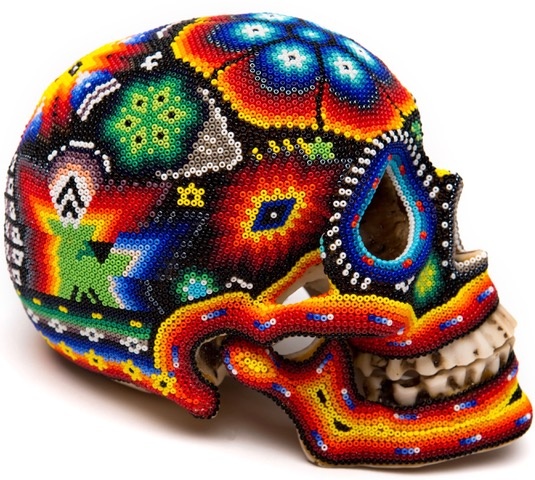
Indigenous trade networks have existed long before colonial borders. The Canada-U.S.-Mexico boundary lines are settler constructs. Indigenous artistic exchange and economic collaboration across Nations are part of longstanding tradition.
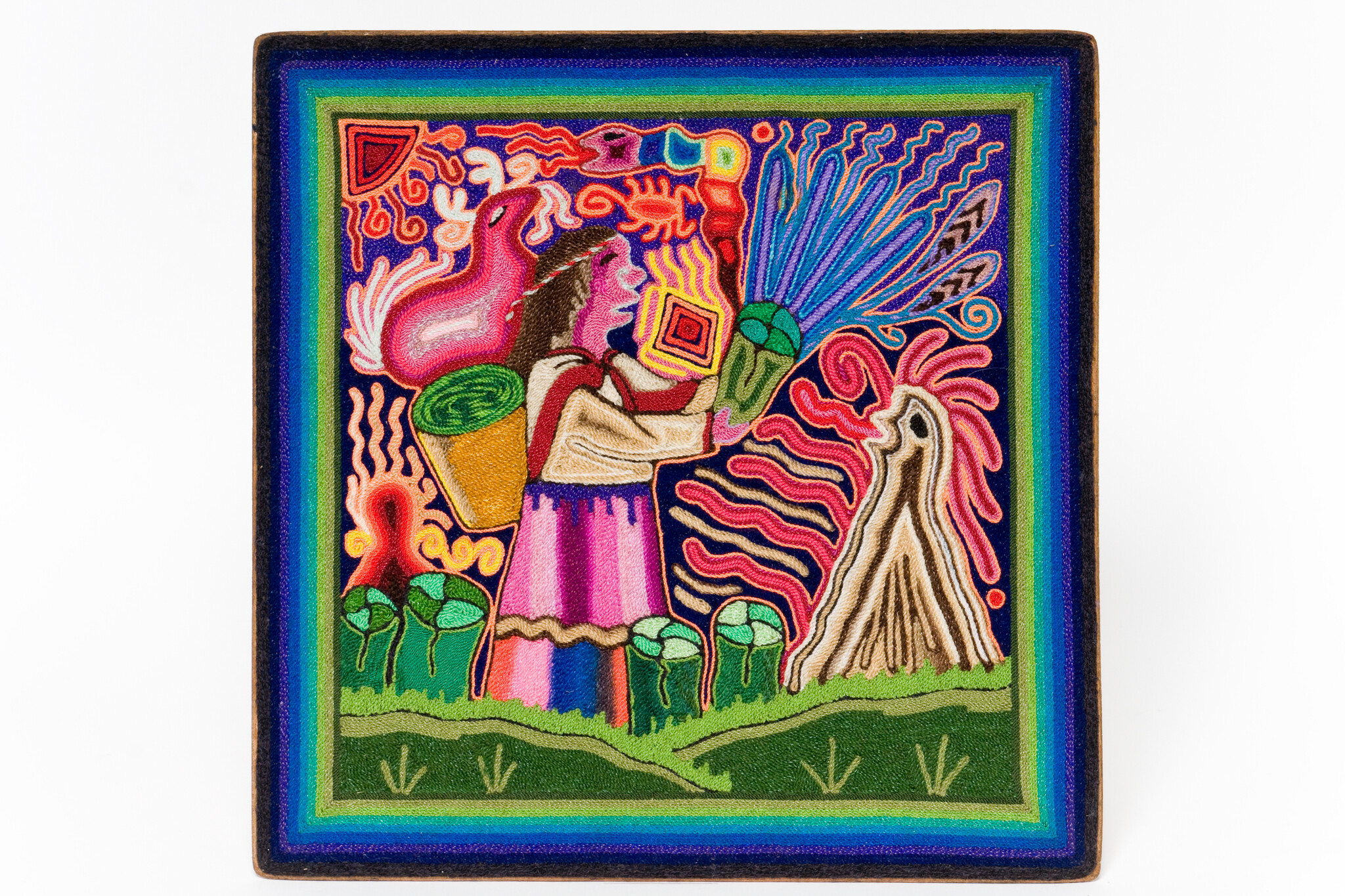
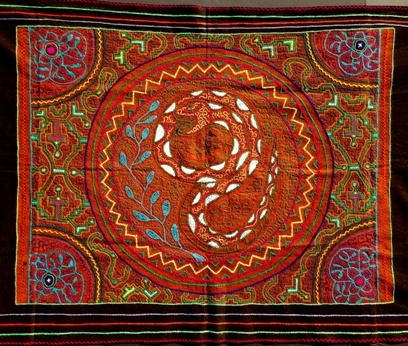
We opened our Native art store in White Rock, BC in 2011. There was an Inca Native from Peru living in the neighbourhood and he stopped by with some Inka traditional textiles that had been hand woven on backstop looms. He also brought Shipibo Vision Art from the Peruvian Amazon. We purchased some items from him and got interested in Southern Indigenous art from Mexico, and Central and South America. We acquired sources for Huichol Peyote Art, Zapotec Alebrijes and Hand Woven Rugs, Kuna Molas, and Inca Blankets from Ecuador and Peru. While we primarily sell West Coast art, we have from the beginning carried some Indigenous art from all over the Americas.
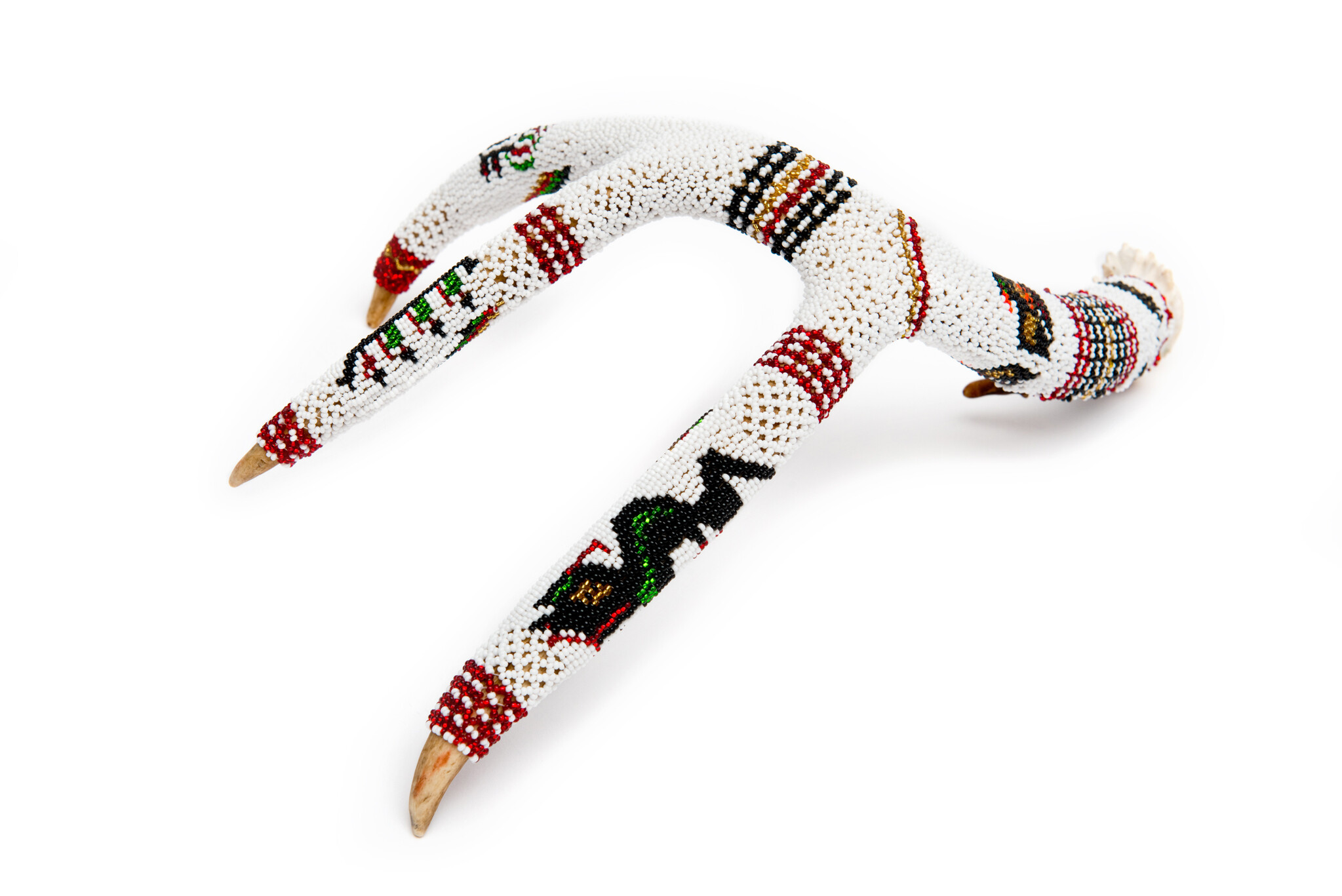
We closed our brick and mortar store after about ten years. During that period we had also developed an online store and have continued to build that up. To subsidize the online store we sell jewelry and other products in Indigenous markets at cultural events and conferences. We bring silver jewelry from Coast Salish, Kwak’waka’wakw, Haida, Gitxsan, Tahltan, and other Nations and make it available to Indigenous people from all over. We also sell West Coast beaded jewelry, and beaded jewelry hand made by Mayan Natives in Guatemala. The Guatemalan beadwork sells very well because the work is beautiful and the prices are very good.
Some of the other vendors don’t like it because they feel like they’re being undercut. Our position is that the creators are full blooded Indigenous people who speak their languages (Spanish is a secondary language), produce and eat their traditional foods, and wear their traditional clothing. They should be respected and supported. Trump calls Indigenous people immigrants while the mothers of all his children can both barely speak English and his father was an immigrant. With the awful current conditions, we feel we should be particularly supportive of our relatives from south of the USA border. Indigenous trade networks have existed long before colonial borders. The Canada-U.S.-Mexico boundary lines are settler constructs. Indigenous artistic exchange and economic collaboration across Nations are part of longstanding tradition.
There is an ancient Inca prophesy which states that ”When the Eagle of the North flies with the Condor of the South, The Spirit of the Land will Reawaken.” The Eagle refers to the Native people of North America, the Quetzal to the Native People of Central America, and the Condor to the Native people of South America. This prophecy has been known by many Native Nations in many different forms.
This is part of a revitalization of Native cultures and values that results in improvement to the wellbeing and prosperity of Native People. Inter-tribal trade is rooted in values of sustainability and respect for the environment. The fulfilling of this prophecy coincided with the end of the Mayan long count calendar. December 21st, 2012 was the final day of a 5,125 year period in human history. Many people believe it is the beginning of a new age, a restoration of the balance between feminine and masculine, a reawakening to the interdependence of life.


