West Coast Indigenous Jewellery in Canada. Haida, Coast Salish, Kwak'waka'wakw and More
- Posted on
- 0
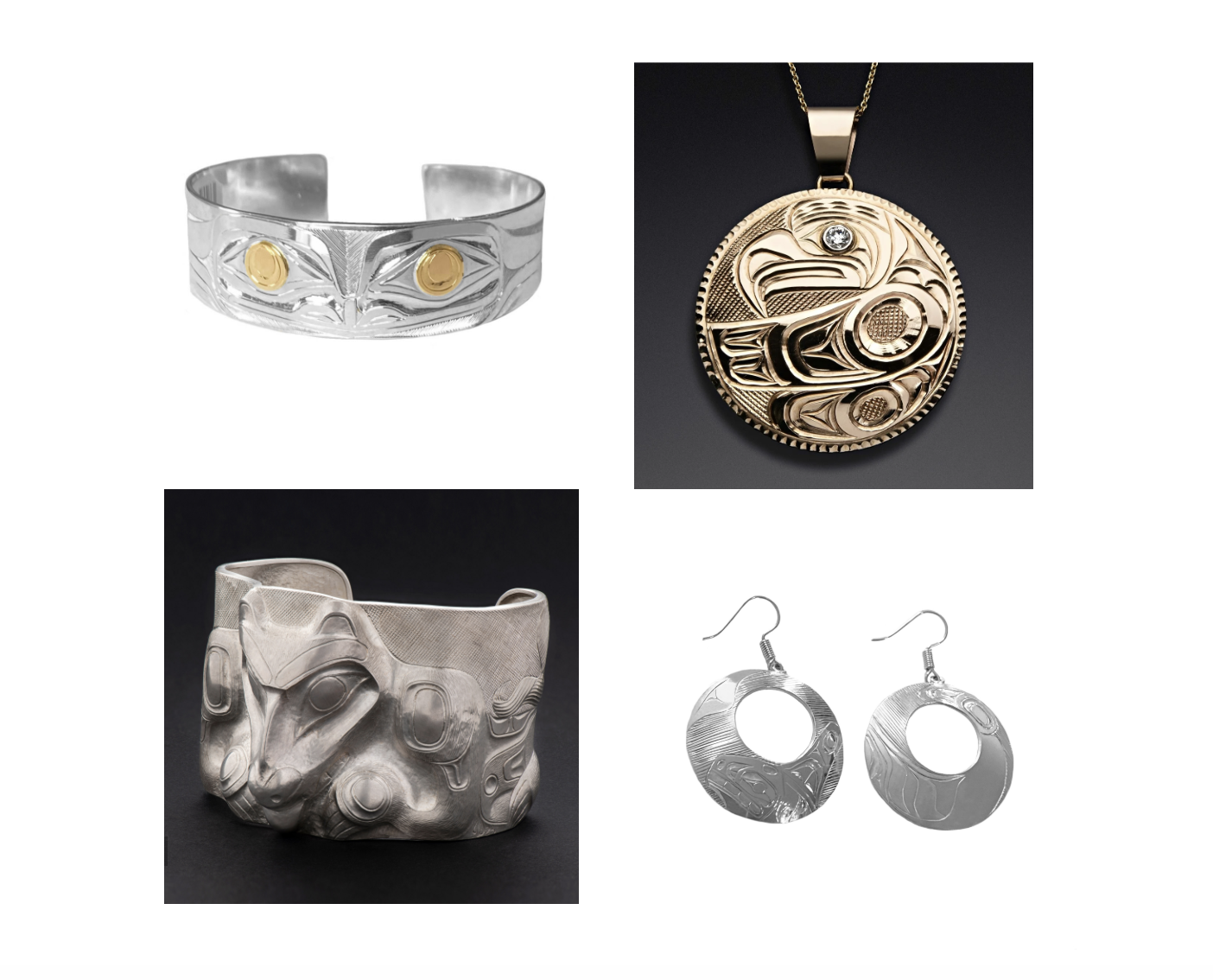
West Coast Indigenous jewellery in Canada reflects distinct cultural traditions, including the Haida, Coast Salish, and Kwak'waka'wakw Nations. Each style uses specific design systems, materials, and symbolism to express identity, family lineage, and connection to land and sea. Understanding these differences helps you choose authentic jewellery with meaning and respect.
West Coast Indigenous Jewellery is not a single art form. It is a living collection of traditions shaped by generations of Indigenous artists. From bold Haida silver bracelets to flowing Coast Salish designs and expressive Kwak'waka'wakw storytelling forms, every piece carries history, craftsmanship, and cultural knowledge.
Haida Jewellery. Precision, Structure, and Powerful Symbols
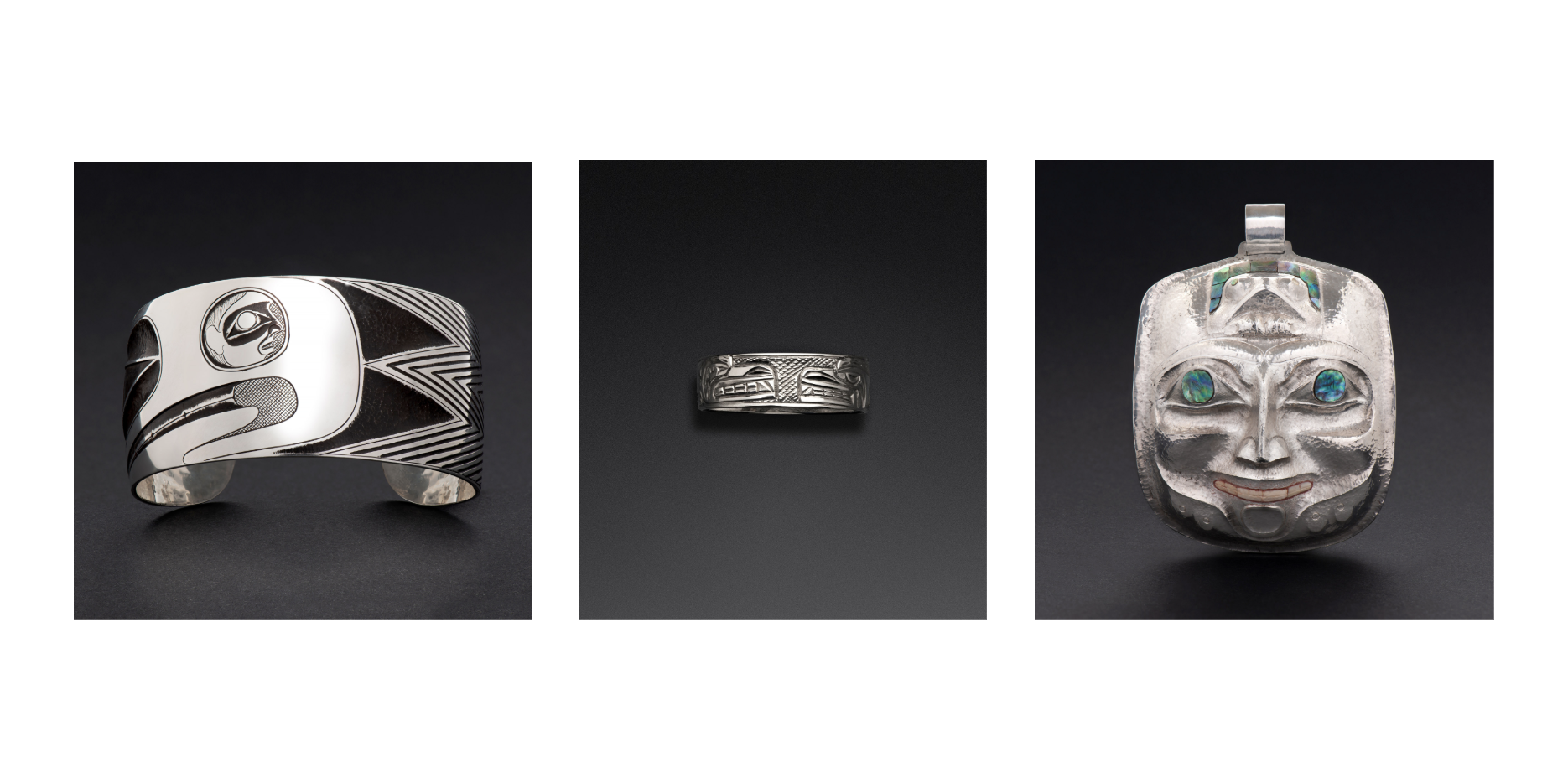
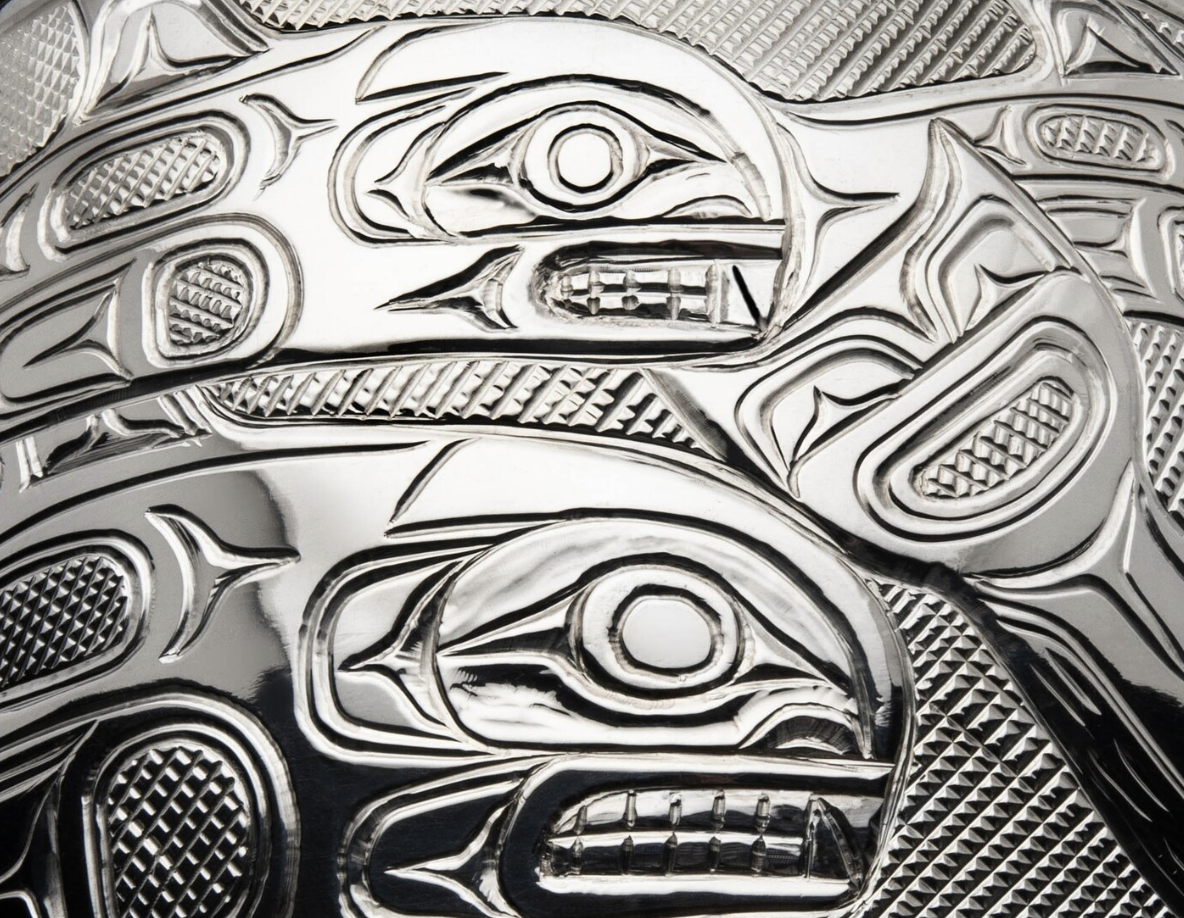
Haida jewellery is known for its strong visual structure and detailed formline design, a system built with ovoids, U-shapes, and flowing lines that create balance and movement.
Common Haida symbols may be crest symbols from their clan system. These include Raven, Eagle, Killer Whale, Bear, and Frog. Each represents spiritual teachings, family heritage, and connections to the natural world.
Haida artists primarily carved these designs in wood. During the 1800’s they adapted them to silver and gold. Today, engraved bracelets, pendants, and rings remain some of the most recognized forms of Northwest Coast jewellery.
Typical Haida jewellery includes
• Wide engraved silver bracelets
• Pendants depicting crest figures
• Bold statement rings
Haida jewellery is highly collectible, characterized by deep carving, strong contrast, dense formline design, and powerful storytelling.
To explore authentic pieces across styles and artists, you can browse the Northwest Coast Indigenous Jewellery collection.
Coast Salish Jewellery. Flow, Harmony, and Natural Balance
Coast Salish jewellery has a softer, more fluid appearance. Designs often reflect rivers, mountains, animals, and spiritual connections to the coastal environment.
Instead of heavy formline structure, Coast Salish artists emphasize movement, rounded forms, and open space. The result feels organic and sculptural. Geometric shapes like the trigon, crescent, and the ‘Salish Eye’ are commonly employed.
Common Coast Salish jewellery forms include
• Curved silver bracelets
• Pendants inspired by beings from nature or the spirit world
• Balanced earrings with flowing lines
Common figures depicted are salmon, heron, wolf, and human. These designs appeal to those who prefer subtle elegance while still carrying deep cultural meaning.
Kwak'waka'wakw Jewellery. Storytelling in Metal
Kwak'waka'wakw jewellery frequently reflects ceremonial traditions, transformational stories, and spirits tied to dances and potlatches.
Designs are dramatic and theatrical. They often feel animated, capturing motion and emotion through expressive shapes. Many resemble carved masks or mythical figures translated into metal.
Common themes include
• Supernatural beings like the Sisiutl, Cannibal Raven, and Bugwas
• Spiritual aspects of animals
• Ancestral stories and legends
Each piece can represent an entire narrative, making this style especially meaningful for collectors who value storytelling in art.
Hand-Engraved Pendants. Personal Symbols in Metal
Hand-engraved pendants are some of the most personal forms of West Coast Indigenous jewellery. Artists carve symbols, crest figures, and flowing designs directly into silver or gold, turning each pendant into a wearable story.
Many people choose pendants because they:
• Carry personal or spiritual symbolism
• Visibility communicates information
• Create a strong connection to heritage and identity
These pieces often feel like talismans, representing protection, family, transformation, or connection to the natural world.
Traditional carving methods highlight the skill, patience, and dedication of Indigenous artisans, making each pendant truly unique.
Shared Materials Across West Coast Jewelry
While artistic styles differ, many Indigenous jewellers work with similar traditional materials:
• Silver, the primary engraving medium
• Gold, often used for ceremonial or statement pieces
• Copper, traditionally symbolizes wealth and authority
• Abalone sometimes inlaid in pieces to represent the sea and vision.
• Turquoise, diamonds, and other stones are also sometimes used.
Each artist brings personal technique and cultural knowledge to these materials, transforming metal into storytelling art.
How to Choose the Right Style for You
Choosing Indigenous jewellery becomes easier when you consider both visual preferences and meaning.
If you like bold, graphic designs, Haida jewellery often stands out.
If you prefer softer, flowing forms, Coast Salish pieces may feel right.
If you love expressive storytelling, Kwakwaka’wakw jewellery offers a strong narrative presence.
Also think about how you will wear the piece:
• Bracelets for statement style
• Pendants for everyday connection
• Rings for subtle symbolism
Exploring different forms within the Northwest Coast Indigenous Jewellery collection can help you find what resonates most.
Why Authenticity Matters
Authentic Indigenous jewellery is created by recognized artists who carry cultural knowledge and responsibility. Mass-produced imitations often copy surface designs without understanding or respect.
Genuine pieces usually include:
• Artist names or signatures
• Clear cultural origin
• High-quality engraving and materials
Buying from Indigenous-owned galleries ensures artists are supported and traditions remain strong.
If you're looking to invest in high-quality Indigenous jewellery in Canada, always support ethical businesses that prioritize authenticity and cultural respect. Trusted galleries and artist-direct retailers are the best places to begin.
For a wide selection of genuine pieces, explore the Northwest Coast Indigenous jewellery collection, featuring work that honours living traditions and skilled craftsmanship.
A Living Tradition That Continues to Evolve
West Coast Indigenous Jewellery has not been frozen in the past. Contemporary artists continue to innovate while respecting ancestral values and design systems.
Some integrate new stones, mixed metals, or modern forms. Others reinterpret traditional crests in fresh ways. This balance of tradition and creativity keeps the art vibrant and meaningful for new generations.

Final Thought
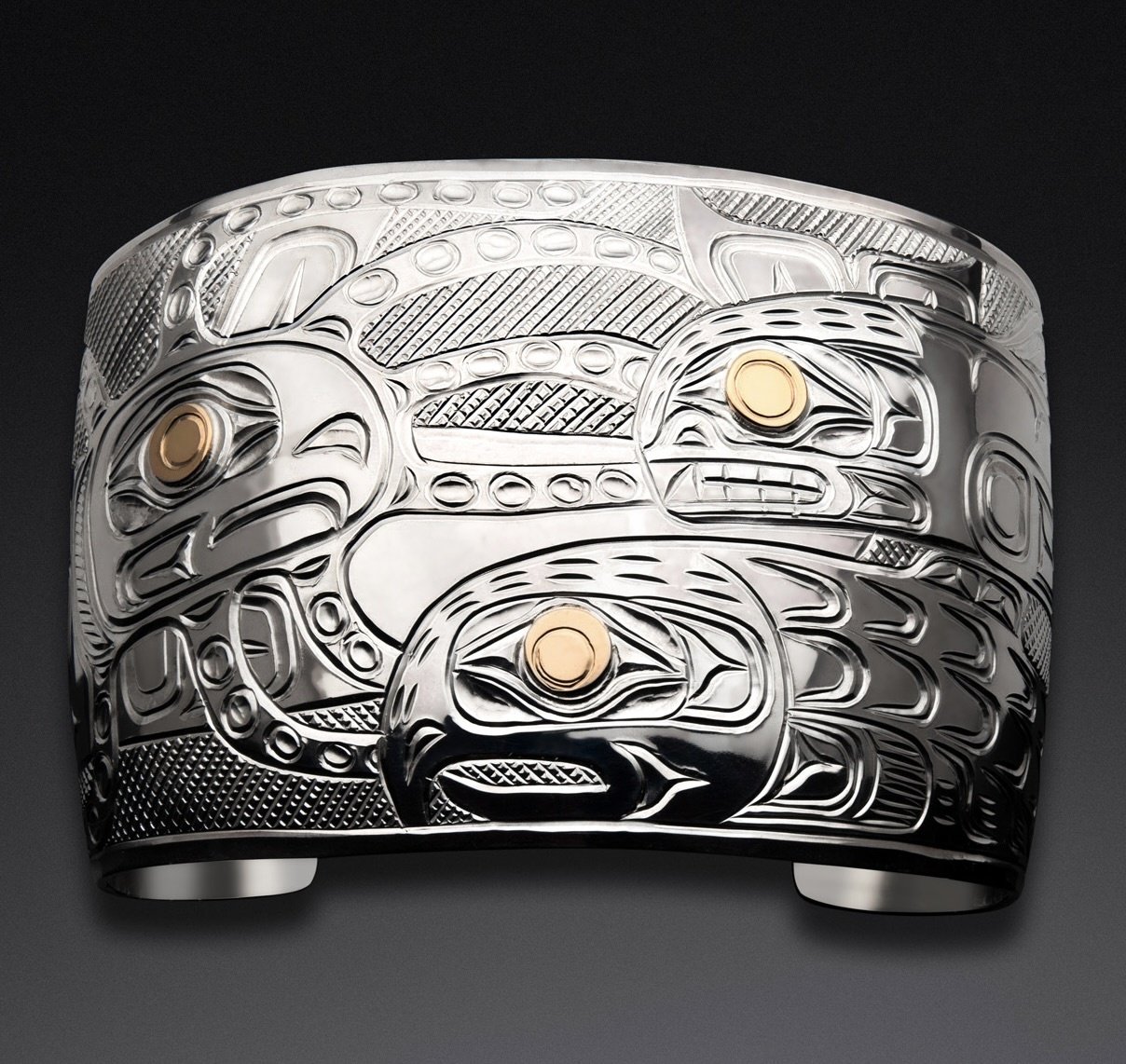
West Coast Indigenous jewellery in Canada reflects diverse nations, artistic languages, and living traditions. Haida, Coast Salish, and Kwakwaka’wakw styles each offer unique beauty and cultural meaning. There are additional traditions, including Gitxsan, Tsimshian, Tlingit, Tahltan, Nu-chah-nulth, and others.
When you understand these traditions, you do more than purchase jewellery. You support Indigenous artists, preserve cultural knowledge, and carry stories shaped across generations.


Comments
Be the first to comment...