The Art of Repousse
- Posted on
- 0
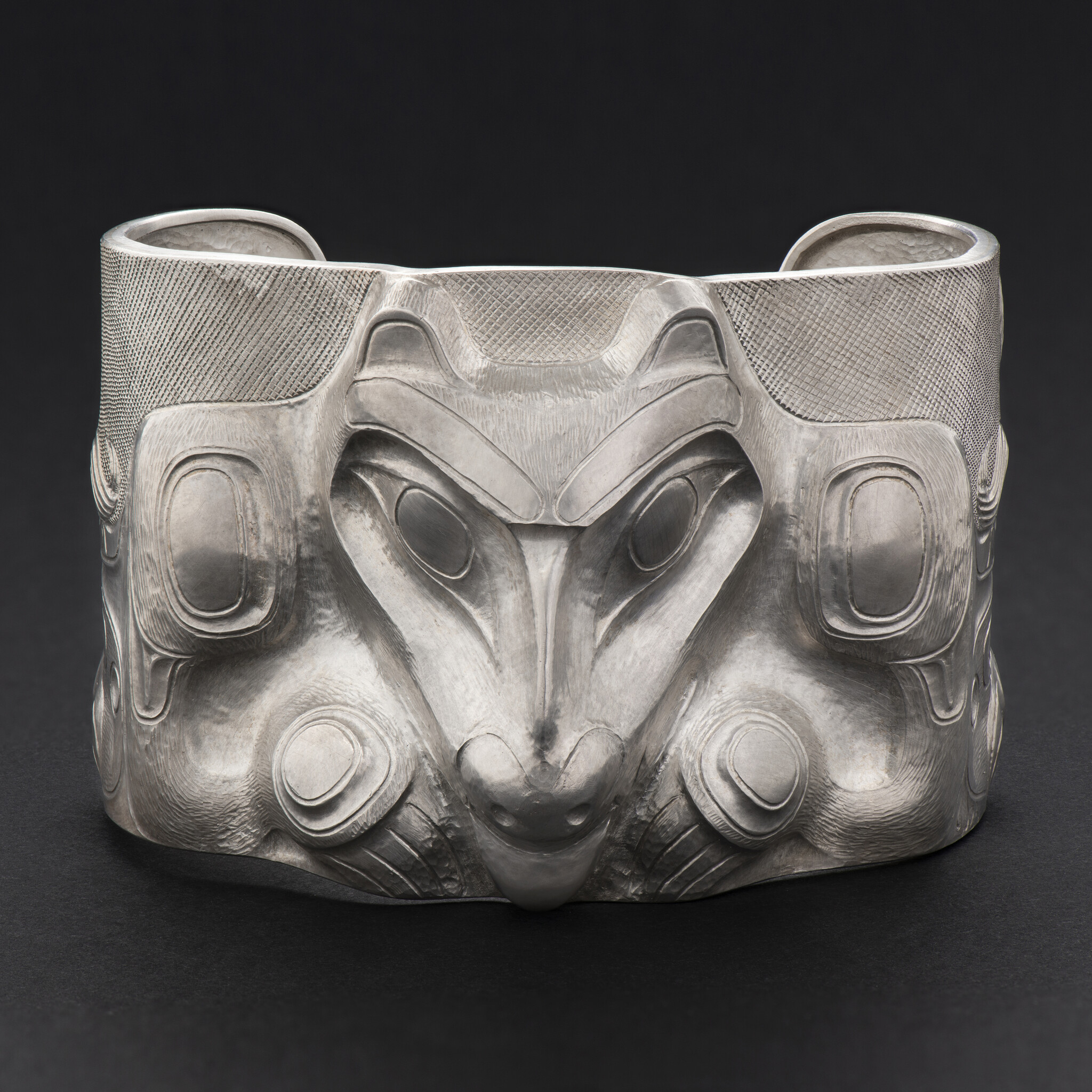
Northwest Coast Native artists beginning with Bill Reid have incorporated the art of Repousse into Indigenous jewelry making. Repousse is a technique in which the surface of the metal is pushed up, raised from behind using a number of different punches and tools to create a three dimensional design. Chasing accomplishes the opposite effect, creates details by pushing the surface down. The two techniques are used together to create a three dimensional piece of art.
Jay Simeon Haida Wolf Bracelet
Silver, gold or copper is worked by hand using tools which are 3 - 6” long cylindrical or square rods with various shaped tips. The tips on repose tools are smooth and rounded. Made usually from tempered steel but also brass, plastic and wood. Chasing tools may have designs on their tips to create textures. These tools are hit by various hammers to move the metal in desired ways.
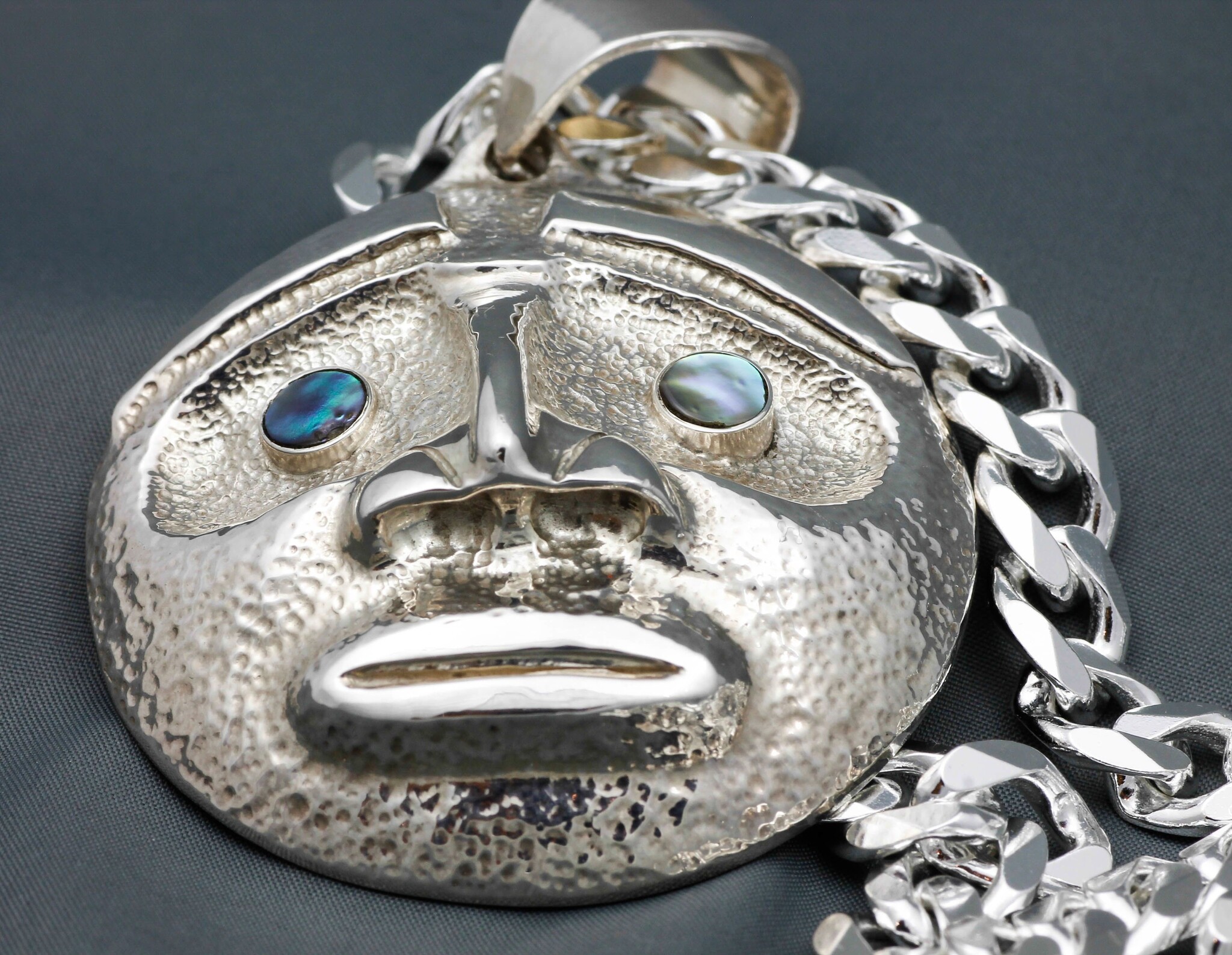
The metal is pressed against pitch which has been heated to conform to the design. The pitch is then cooled to the point where it is hard enough to prevent the punches from pushing too far or penetrating the metal, but soft enough to allow some elasticity. And it needs to allow the metal to sink where it’s being struck while supporting the surrounding area. Pitch is organic resin mixed with some other ingredients. It comes in soft, medium, and hard. Other materials besides pitch can be used for repousse and chasing such as rubber, wood, clay and soft metals but this is not common.
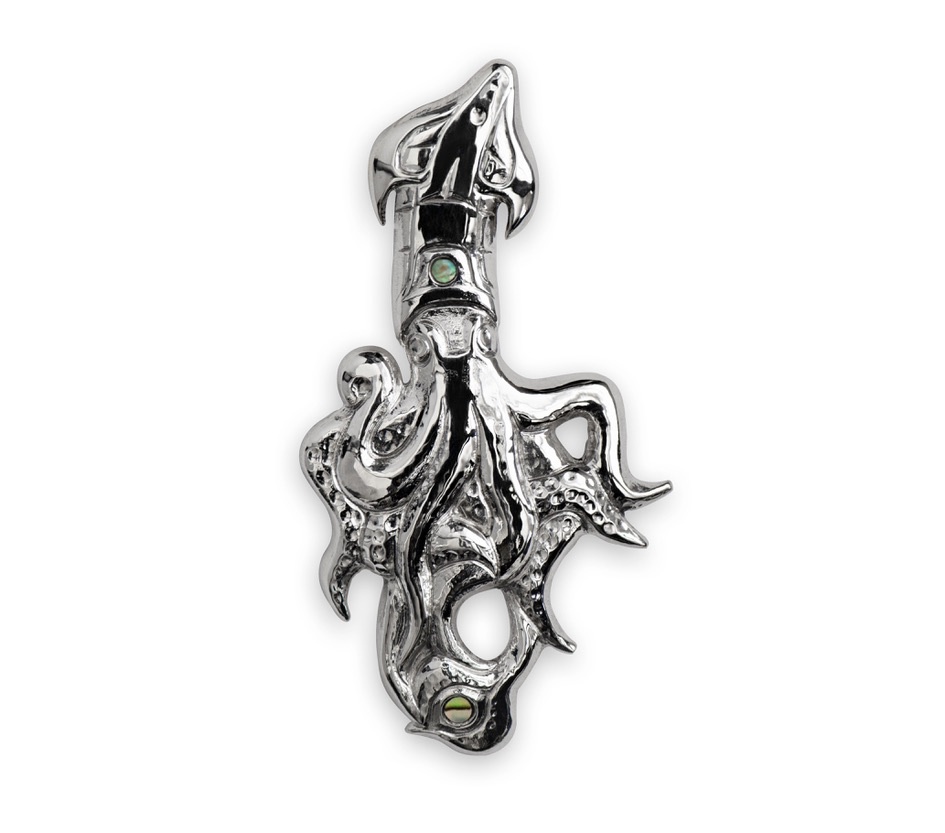
The metal needs to be annealed before each repousse or chasing process. Annealing is the process of heating and then cooling metal to make it more elastic. The piece needs to be worked until it cools to the point where it gets hard. Then it needs to be annealed again.
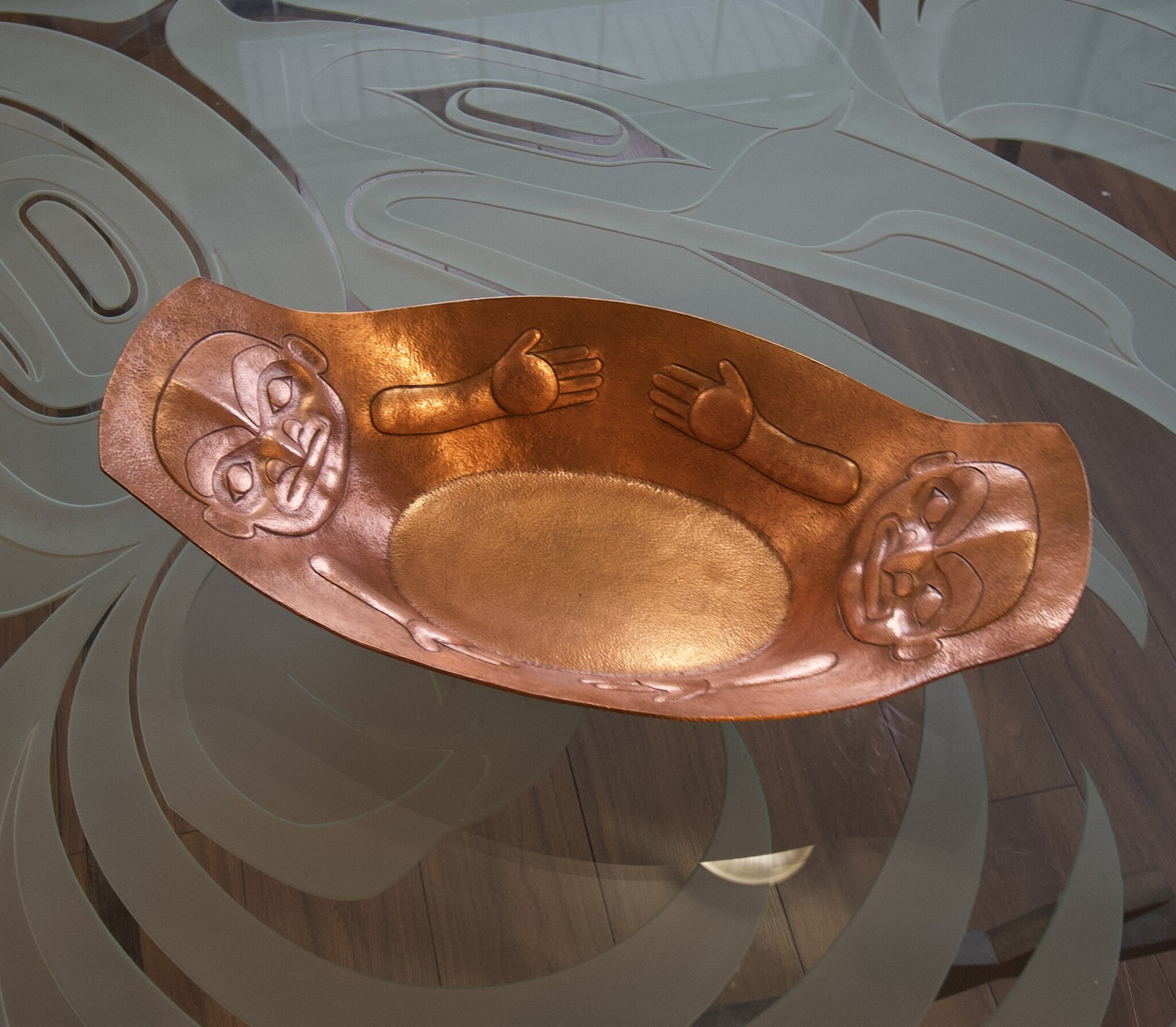
Tlingit Repousse Copper Bowl
The following is a simplified list of the steps in the process:
The design is drawn or traced on the metal. The pitch is heated with a flame. When the pitch has softened, the metal is pressed into it. After the pitch cools a raised outline of the area to be worked on is made by tapping a chasing tool with a hammer. Then the pitch is warmed to release the metal which is then flipped over, pressed in and annealed. The initial repousse raises a large area using a tool with a large tip. Smaller tools are used to get in the edges. The metal is then flipped back and forth, annealed each time, and worked on while the artist brings out the finished design. Planishing creates a flat surface, and texturing other areas creates a contrast. Finishing techniques include detailing and cleaning by engraving, burnishing, stoning, sanding and polishing.
View examples of repousse art available at our online store.
Comments
- Custom vs Ready-to-Buy Indigenous Masks: What Collectors Should Know
- Types of Indigenous Masks: Transformation, Portrait and Ceremonial
- The Roles of Singing and Music in Traditional West Coast Indigenous Cultures
- How to Choose an Authentic Totem Pole Carving: A Buyer's Guide
- Totem Poles Explained: Meanings, Types and Cultural Significance
- How to Authenticate Northwest Coast Wood Carvings: Tool Marks, Materials, and Artist Signatures
- The Role of Formline Design in Northwest Coast Carving: Understanding the Visual Language
- Northwest Coast Jewellery as Heirloom Gifts: What to Choose for Weddings, Graduations and Milestones
- Gold Overlay on Silver Jewellery: What It Is, How It's Made, and Why It's Popular in Indigenous Art
- How Northwest Coast Indigenous Wood Carvings Are Made
Share this on:


sure go ahead
Good Day! We are working on a Feature Artist article with Gus Cook - Repousse Artist and would like to request use of some of your gallery photographs in the article. We are happy to accredit the gallery and include that Gus' work is available from your gallery, as well. Kindly review and advise ~ any expedition is greatly appreciated! Sincerely ~ Gilakas'la, Emote, Marsii ~ Kealy KIKI Donaldson | Publisher | Compass Magazine Vancouver Island www.compassmagazine.ca