Navajo Jewellery Symbols Explained: Squash Blossoms, Naja Pendants, and Sandcast Rings
- Posted on
- 0
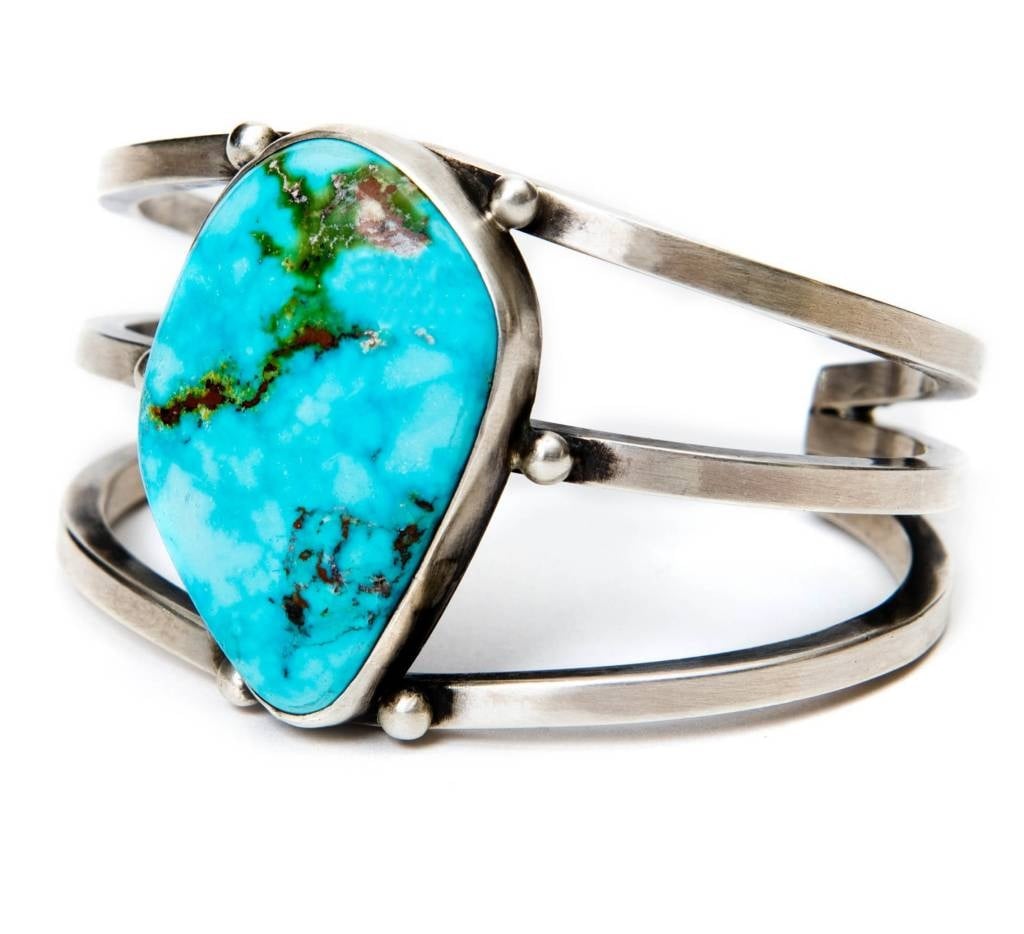
A squash blossom necklace, a naja pendant, and a sandcast ring are three of the most recognizable forms in Navajo jewellery, and each one carries its own history. Knowing what they mean and how they are made helps you choose a piece with confidence and understand exactly what you are buying. Here is what each symbol and technique represents and what to look for in an authentic piece.
Cheryl's Trading Post carries handmade Southwestern jewellery alongside our Northwest Coast collection, in keeping with a long Indigenous tradition of trade between nations. You can browse the full Native American Jewellery of the Southwest collection or read on for the meaning behind the pieces.
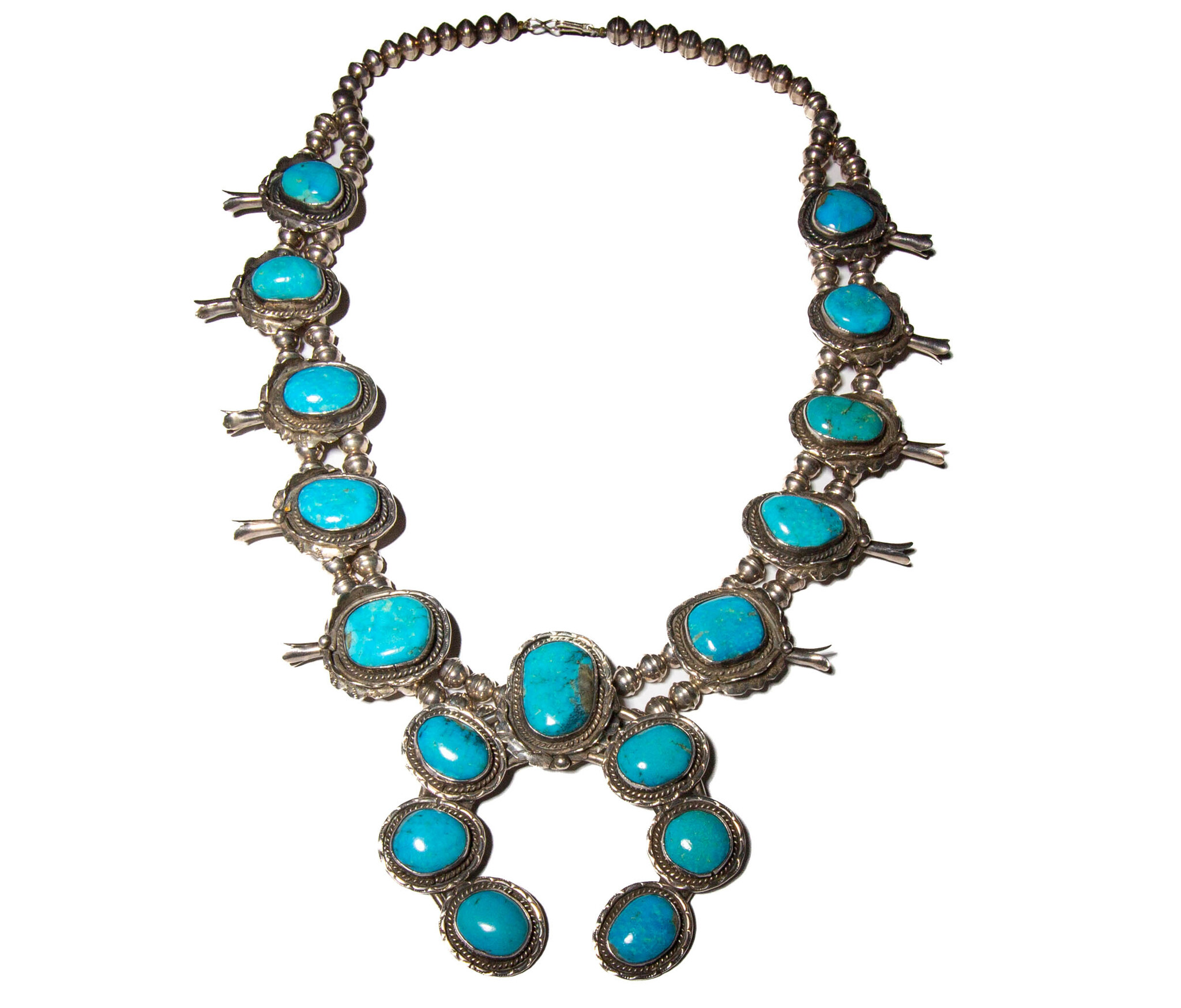
The squash blossom necklace: fertility, abundance, and status
A squash blossom necklace is built from rows of round handmade silver beads mixed with flared beads shaped like blossoms, usually finished with a crescent pendant at the centre. Navajo silversmiths began making them in the 1880’s and the design spread quickly to Zuni and Hopi jewellers, who added their own touches.
The blossom-shaped beads are named for their resemblance to the squash flower, a plant tied to fertility and abundance in Navajo life. Squash blossom necklaces have long stood for status and celebration. Families passed them down, and pieces were worn at ceremonies, weddings, and significant gatherings.
The naja pendant: protection and the horse-bridle origin
The naja is the crescent-shaped pendant found at the centre of most squash blossom necklaces, though it is also worn on its own as a pendant. The Smithsonian American Art Museum notes that naja means "crescent" in Navajo and that the design traces back to horse bridles used to ward off harm. The Navajo adopted the shape and made it their own, and today it carries several layered meanings: protection for the wearer, a connection to fertility and new life through its curved form, and resilience, since many collectors read it as a symbol of turning hardship into something enduring.
There is no single fixed interpretation across every Navajo family, and that is normal for a symbol with this much history behind it. What stays consistent is the naja's place as one of the most respected forms in Navajo silverwork, whether set into a squash blossom necklace or worn as a standalone pendant.
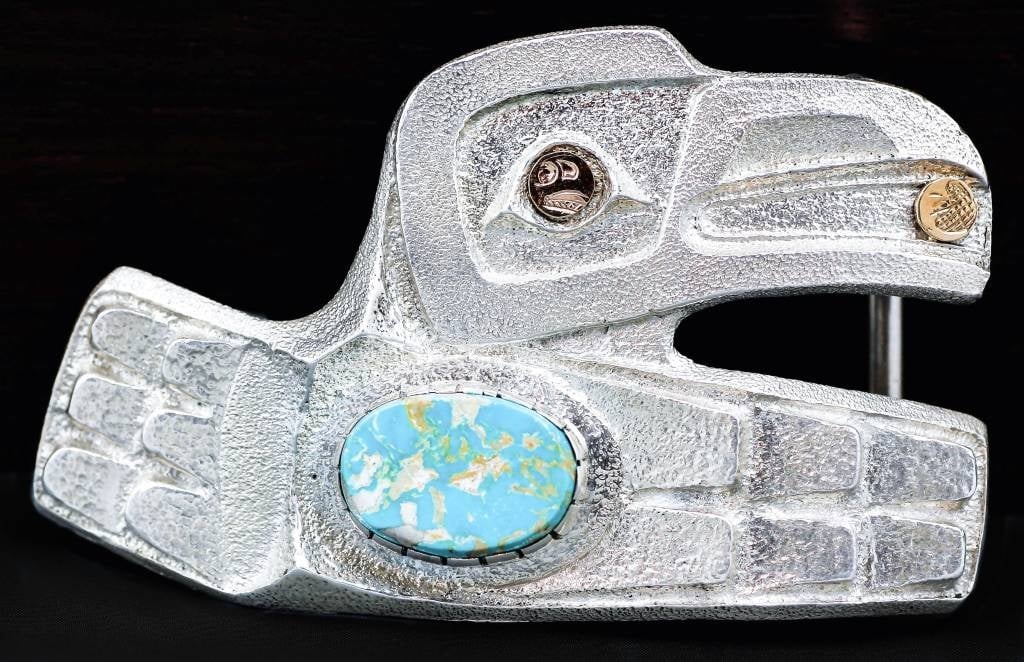
Sandcast rings: how the tufa-stone technique shapes the design
Sandcast jewellery gets its name from a hand-carving process, not a symbol, and it is one of the oldest metalworking techniques in Navajo silversmithing. A silversmith carves a design into a soft volcanic stone called tufa, cuts a pour hole and small vent lines along the edges, then presses a second stone on top and pours molten silver through the opening. Once the silver cools, the mould is separated and the piece is released, then hand-finished with filing and polishing.
Because the tufa mould wears down and eventually breaks apart, every sandcast piece carries small, natural variations, thicker walls, softer edges, and a slightly matte surface that machine-cast jewellery cannot replicate. Sandcast rings, cuffs, buckles, and pendants are prized for that handmade quality specifically because no two pieces come out identical. If you are comparing rings and one feels heavier or has a slightly uneven surface texture, that is often a sign of genuine sandcast work rather than a flaw.
Reading the materials: turquoise, silver, and other stones
Turquoise is the stone most associated with Navajo jewellery, prized for its blue and green tones and its long association with protection and connection to the sky and water. Sterling silver became the standard metal after Navajo silversmiths began working with Mexican silver coins in the mid-1800s, and it remains the foundation of squash blossom necklaces, Naja pendants, and sandcast rings alike. Coral, spiny oyster shell, and black onyx show up as accent stones in many pieces, each with its own set of associations, but turquoise and silver are what define the classic Navajo look.
Choosing a piece with meaning
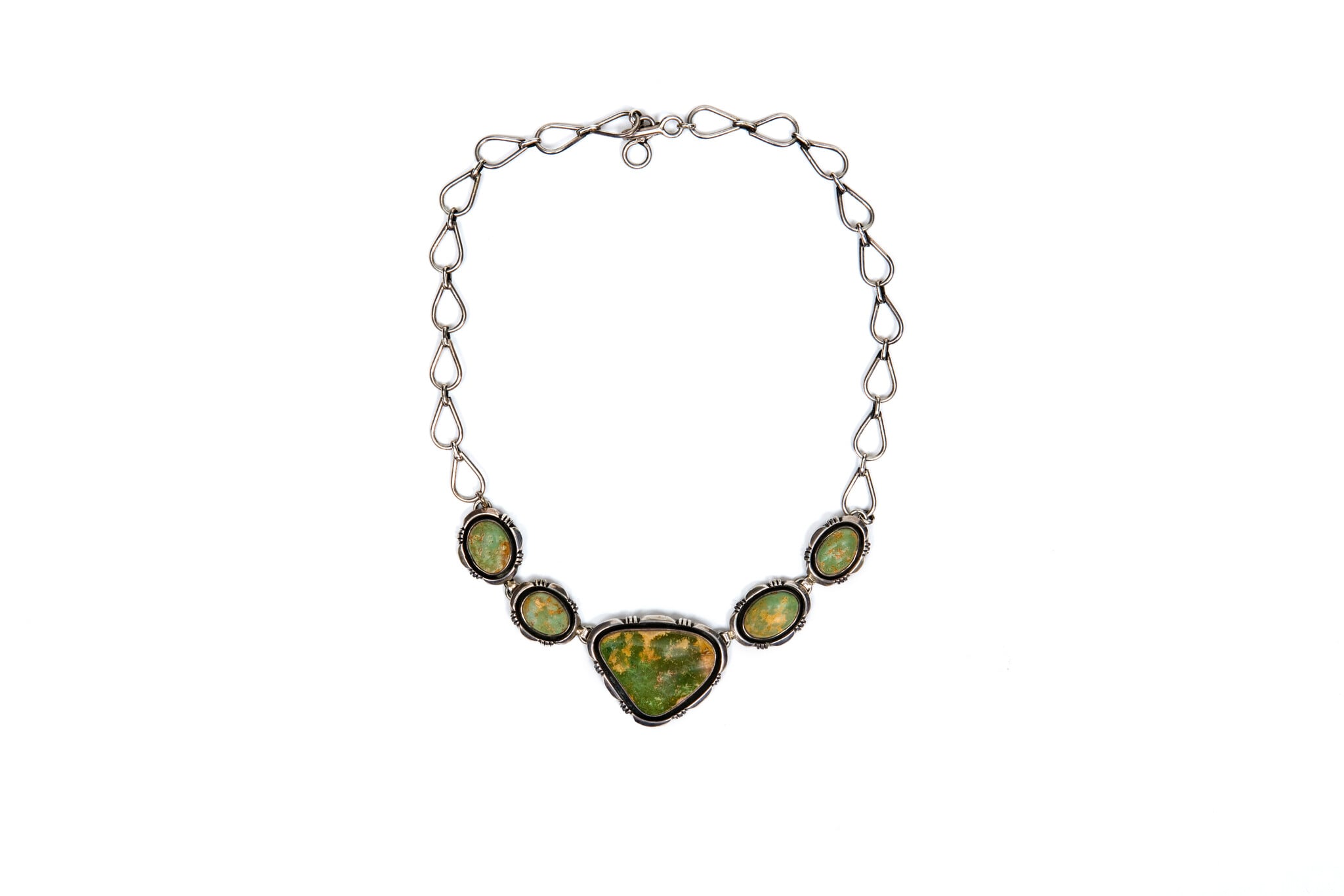
Once you understand what a squash blossom necklace, a naja pendant, or a sandcast ring represents, choosing between pieces becomes easier. A few things worth checking before you buy:
• Look for an artist hallmark or stamp. Handmade Navajo jewellers began signing or handstampting their work during the 1960’s and 70’s, and older pieces are covered in more depth in our guide to understanding old pawn Navajo jewellery.
• Check for small, natural irregularities in stonework and casting. Perfect uniformity usually points to machine production rather than handwork.
• Ask where the piece was sourced and who made it. A reputable seller will know both.
• Decide what the symbolism means to you personally, whether that is protection, celebration, or simply the craftsmanship or beauty itself, since that is what makes a piece worth keeping.
Frequently asked questions
What does the naja pendant mean in Navajo jewellery?
The naja is a crescent-shaped symbol that traces back to horse bridles. In Navajo jewellery it is most often read as a symbol of protection, with some collectors also linking its curved shape to fertility and resilience.
Why is turquoise used in squash blossom necklaces?
Turquoise has long been valued in Navajo culture for its colour and its association with protection and connection to the sky and water. It pairs with silver in most traditional squash blossom necklaces, naja pendants, and sandcast pieces.
What makes a ring "sandcast"?
Sandcast describes the method, not the design. The silversmith hand-carves a mould into tufa stone, pours molten silver through it, then files and polishes the finished piece by hand, which gives every sandcast ring small natural variations that machine-made jewellery does not have.
Is it respectful to wear Navajo jewellery if I am not Navajo?
Yes, when the piece is purchased from a source that pays and credits the Navajo artist who made it. Buying authentic, artist-made work is one of the most direct ways to support the artisans and the tradition behind it.
Every piece in our Native American Jewellery of the Southwest collection is handmade and sourced from named artists. If you would like to compare regional styles first, our guide to Southwest and Northwest Coast Indigenous jewellery breaks down the differences, and our piece on Indigenous jewellery symbols and traditions covers meanings across regions beyond the Southwest.
- Reading Family and Clan Crests on Northwest Coast Wall Panels: Eagle, Raven and Killer Whale
- How to Choose the Right Size Wall Panel for Your Space: A Room-by-Room Placement Guide
- Coast Salish Design vs Formline: The Two Carving Traditions Behind Northwest Coast Wall Panels
- Caring for Your Northwest Coast Silver Bracelet: Cleaning, Storage and Tarnish Prevention
- Men's vs Women's Northwest Coast Bracelets: Design Differences and How to Choose
- Northwest Coast Bracelet Sizing Guide: How to Measure Your Wrist for the Perfect Cuff Fit
- Understanding "Old Pawn" Navajo Jewelry: What It Means and Why Collectors Seek It
- Navajo Jewellery Symbols Explained: Squash Blossoms, Naja Pendants, and Sandcast Rings
- Cowichan Sweater Gift Guide: Choosing the Right Design and Size for Someone Else
- Custom vs Ready-to-Buy Indigenous Masks: What Collectors Should Know
Share this on:


Comments
Be the first to comment...