Understanding "Old Pawn" Navajo Jewelry: What It Means and Why Collectors Seek It
- Posted on
- 0
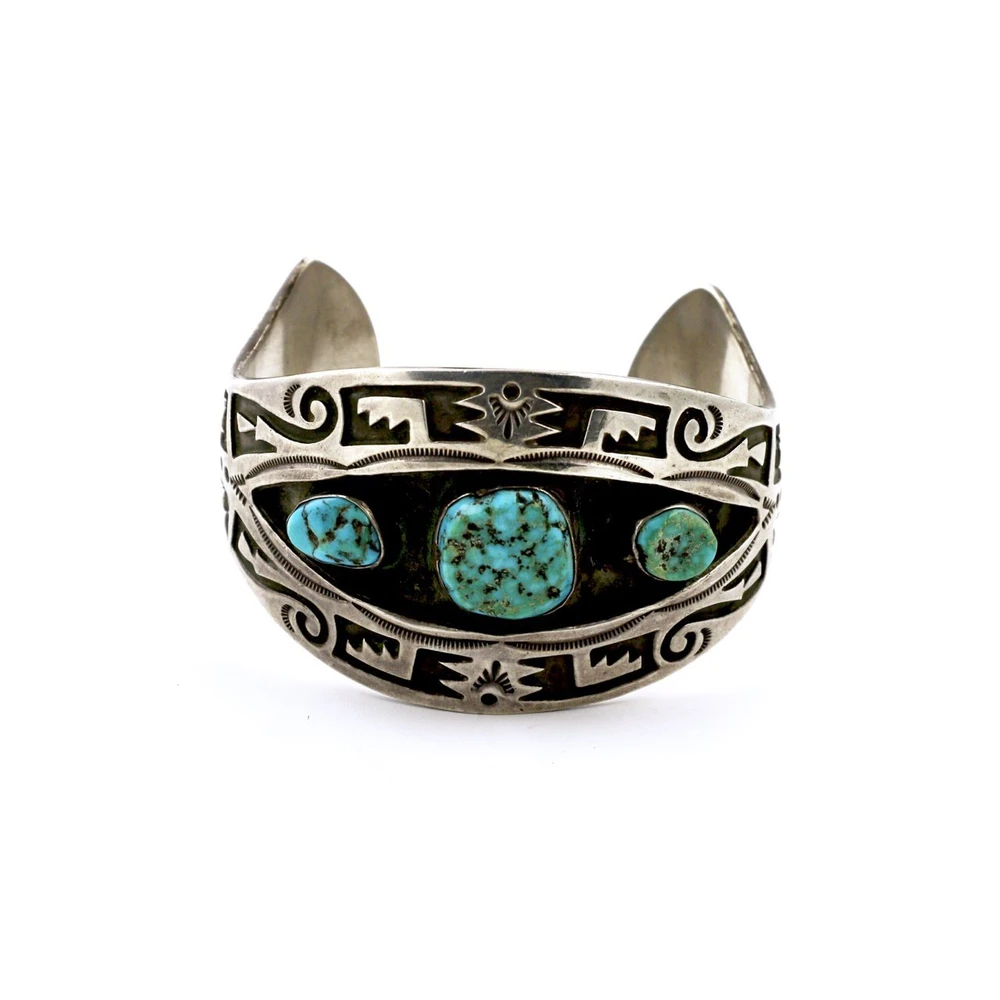
"Old pawn" refers to vintage Navajo-made jewellery, usually from the 1870s through the 1950s, that was pawned at a reservation trading post as collateral for food, tools, or credit rather than made for sale. If the piece was never redeemed, traders eventually sold it, and today collectors prize these pieces for their age, their handwork, and the history that comes with them. Here is what the term actually means, how the trading post system worked, and what to look for if you are drawn to this style.
What "old pawn" actually means
Pawning was not selling. A Navajo family brought jewellery to a trading post and left it as collateral for a loan, usually against food, tools, or store credit, with every intention of paying the loan back and reclaiming the piece for the next ceremony or gathering. When a loan went unpaid past the redemption period, the trader kept the item and eventually sold it. Collectors and dealers now call that unredeemed jewellery "dead pawn," while "old pawn" is used more broadly for any older, handmade piece with this trading post history behind it.
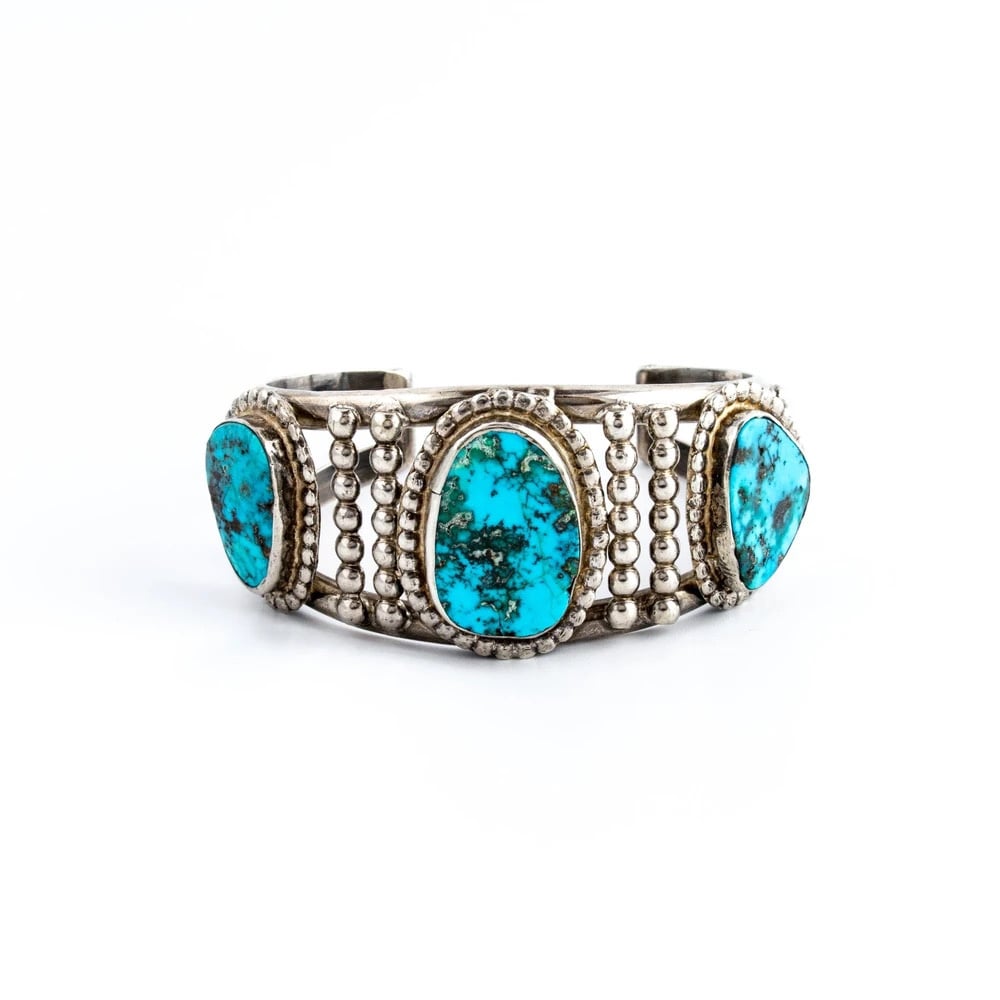
These pieces were never made for tourists. They were made by Navajo silversmiths for Navajo families to wear at weddings, ceremonies, and everyday life, which is part of why collectors value them so highly: the craftsmanship reflects real use, not a souvenir market.
How the trading post pawn system worked
Trading posts across the Navajo Nation, places like Hubbell Trading Post in Ganado, Arizona, functioned as the closest thing to a bank for many Navajo families who had no access to conventional credit. The National Park Service's history of Navajo pawn describes trading posts as filling a banking role reservation-wide, letting families borrow against jewellery, rugs, or livestock when they needed cash or supplies. A pawned item came with a ticket noting the date, the item, and the amount owed, and the piece stayed secured at the post until it was reclaimed.
The system held on for decades, from the late 1800s through much of the 20th century, before new federal trading regulations in the 1970s reshaped how posts could operate. Pieces from before that shift, especially anything pawned before the 1950s, are what collectors mean when they say "old pawn" today.
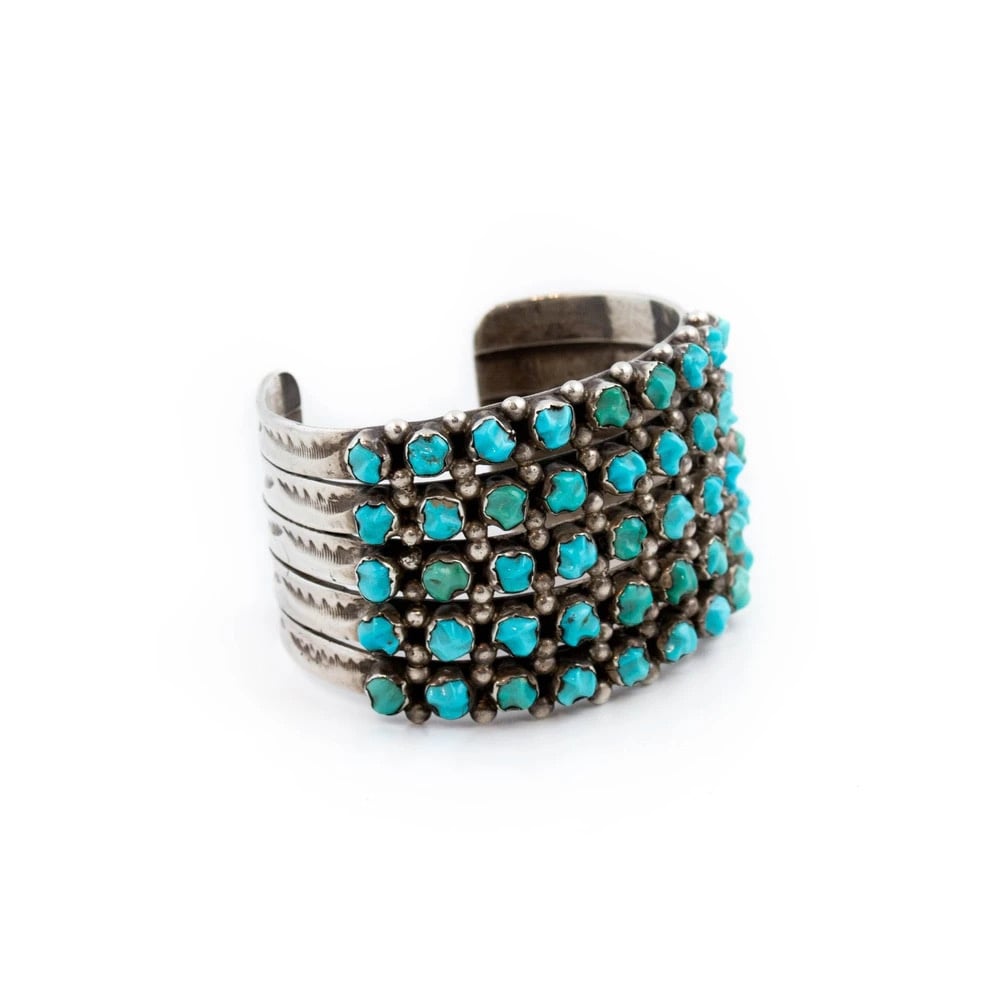
Why collectors seek out old pawn pieces
A handful of qualities set old pawn apart from newer Navajo jewellery, and they are exactly what collectors look for:
- Weight and material. Older pieces were often forged from silver ingots or coin silver rather than pre-rolled sheet silver, giving them a heavier, denser feel.
- Hand-drawn wire and stamp work. Wire made by hand looks different from machine-drawn wire, and early stamp work tends to be deeper and less uniform, since it was made freehand.
- No hallmark, and that is normal. Many early Navajo silversmiths did not sign their work, so a missing hallmark on an old pawn piece is common rather than a warning sign.
- Honest wear. Tarnish, softened edges, and small dents come from decades of actual use, not manufacturing.
How to tell old pawn from "old pawn style" reproductions
The phrase "old pawn style" or "pawn-inspired" is a signal that a piece is a modern reproduction, not a historic one, and it is worth reading listings closely for that distinction. A few checks help separate the two:
• Bright, glassy, perfectly uniform turquoise usually means dyed or stabilized stone, which was not common in the earlier period.
• Very lightweight silver often means a hollow or plated piece rather than solid silver.
• No wear at all on a piece marketed as vintage is a red flag. A genuine old pawn shows some softness in the metal or a small chip in a stone from real use.
• Buy from a dealer who can speak to provenance. A reputable seller will tell you where a piece came from and why they believe it dates to a particular period.
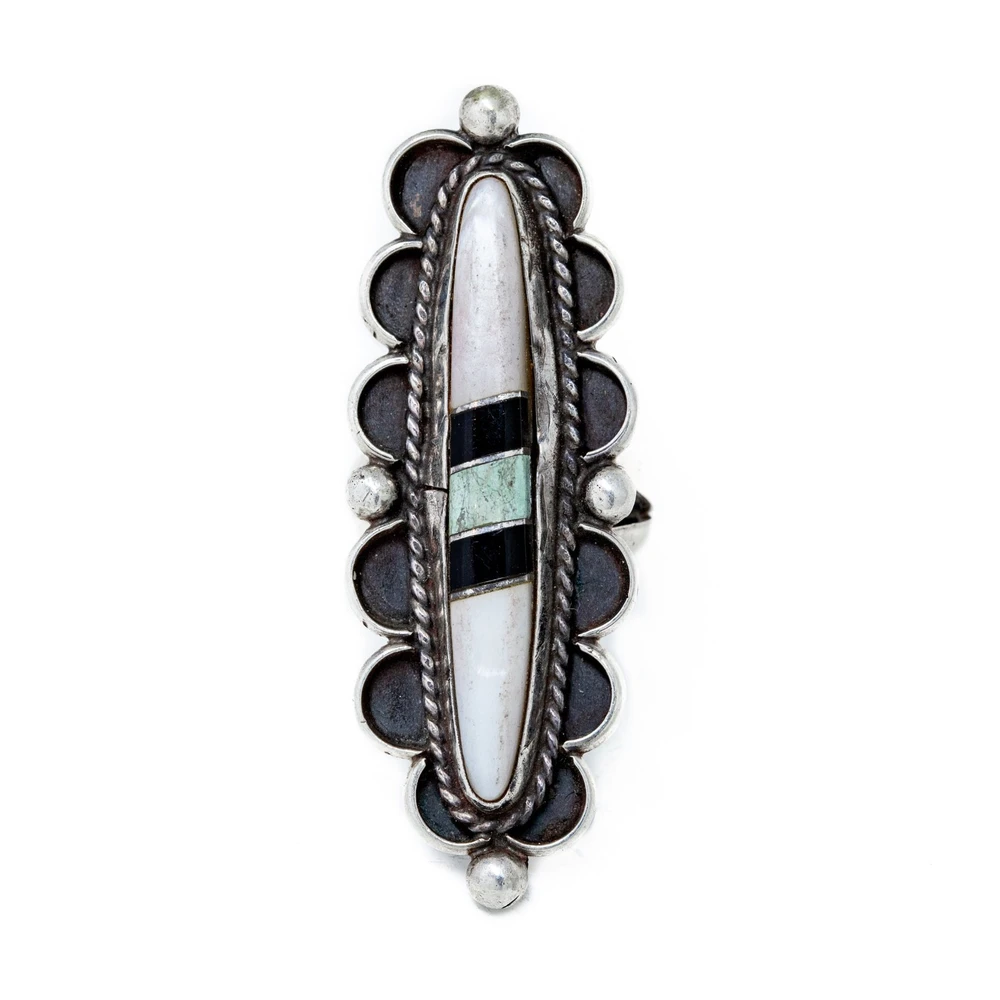
If you love the look but want a new piece
Cheryl's Trading Post carries some vintage Southwest jewellery, but focuses primarily on new jewellery built on many of the same techniques old pawn collectors admire: hand stamping, sandcast construction, hand toolwork, and natural turquoise, made by living artists rather than pulled from a trading post vault. If the history of old pawn drew you in and you want a piece you can wear today, our Native American Jewellery of the Southwest collection is a good place to start, and our guide to Navajo jewelry symbols walks through the squash blossom, naja, and sandcast forms that carried over from that era into jewellery being made right now.
Frequently asked questions
What does "dead pawn" mean?
A dead pawn is old pawn jewellery that was never reclaimed by the person who pawned it. Once the redemption period passed, the trading post sold the piece rather than returning it.
Why don't many old pawn pieces have a hallmark?
Early Navajo silversmiths rarely signed their work, since pieces were made for personal or family use rather than for a commercial market that tracked makers by name. A missing hallmark on an older piece is normal, not a sign of a fake.
Is old pawn jewellery a good investment?
Age, artist attribution, turquoise source, and condition all affect value, and pieces tied to closed turquoise mines or documented silversmiths tend to hold value best. As with any collectible, buying from a dealer who can speak to provenance matters more than the price alone.
Can I buy old pawn jewellery from Cheryl's Trading Post?
We have some vintage jewellery but primarily we carry new, handmade Navajo and Southwest jewellery made by living artists rather than vintage or pawned pieces.
- Reading Family and Clan Crests on Northwest Coast Wall Panels: Eagle, Raven and Killer Whale
- How to Choose the Right Size Wall Panel for Your Space: A Room-by-Room Placement Guide
- Coast Salish Design vs Formline: The Two Carving Traditions Behind Northwest Coast Wall Panels
- Caring for Your Northwest Coast Silver Bracelet: Cleaning, Storage and Tarnish Prevention
- Men's vs Women's Northwest Coast Bracelets: Design Differences and How to Choose
- Northwest Coast Bracelet Sizing Guide: How to Measure Your Wrist for the Perfect Cuff Fit
- Understanding "Old Pawn" Navajo Jewelry: What It Means and Why Collectors Seek It
- Navajo Jewellery Symbols Explained: Squash Blossoms, Naja Pendants, and Sandcast Rings
- Cowichan Sweater Gift Guide: Choosing the Right Design and Size for Someone Else
- Custom vs Ready-to-Buy Indigenous Masks: What Collectors Should Know
Share this on:


Comments
Be the first to comment...