C$3,149.00 CAD
Native American Jewelry of the Southwest
Authentic Southwest Native American Jewelry: Navajo, Zuni & Hopi Turquoise
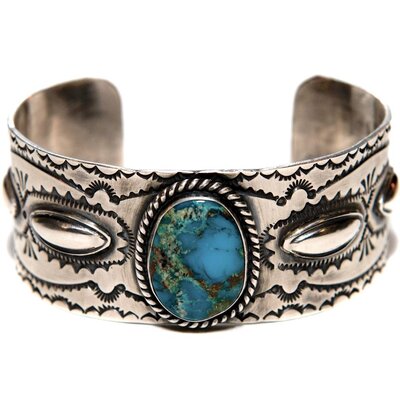
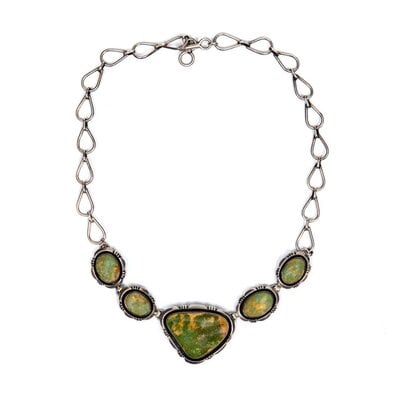
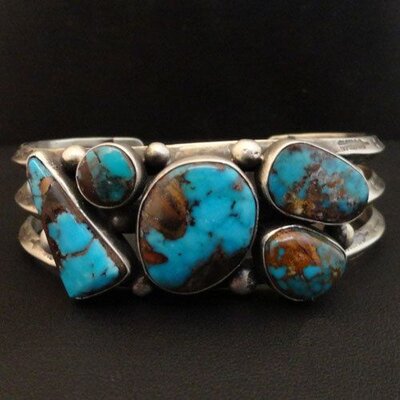
Our collection of authentic Southwestern jewelry is crafted by professional Native American artists, including those from the Navajo, Apache, Pueblo, and Zuni tribes, sourced by a Canadian, Indigenous-owned gallery as part of a long tradition of trade between nations. Each piece is meticulously handmade, featuring the finest natural American turquoise sourced from renowned mines like Kingman, Bisbee, Morenci, Number 8, Royston, Carico Lake, and Sleeping Beauty. These stones are highly collectible, as many of the mines have been closed for years, leading to dwindling supplies.
In Native American cultures, turquoise is revered as a sacred stone, often referred to as the 'sky stone' or the 'stone of life.' The blue hues of turquoise symbolize the sky and water, while the green shades represent water and earth. This stone serves as a bridge connecting the earth and sky, as well as the feminine and masculine energies. Wearing turquoise is believed to enhance personal power, offer protection, and facilitate communication with the spirit world.
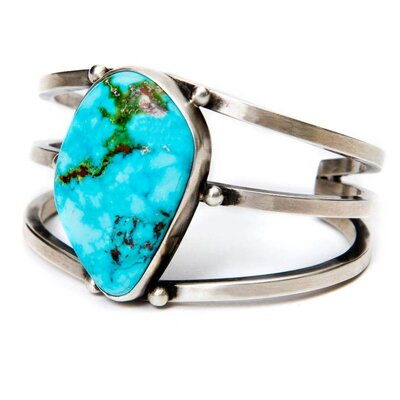
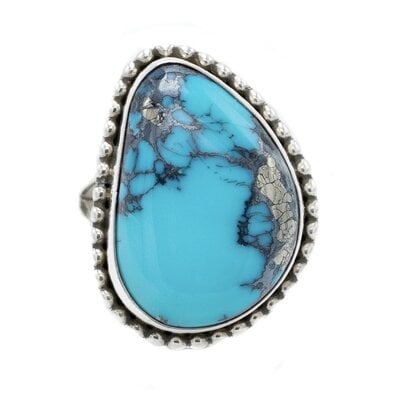
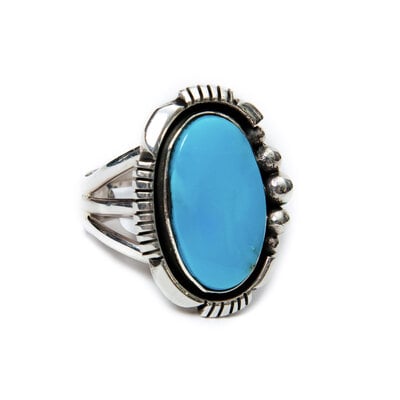
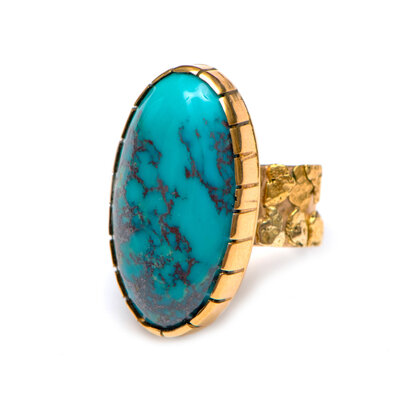
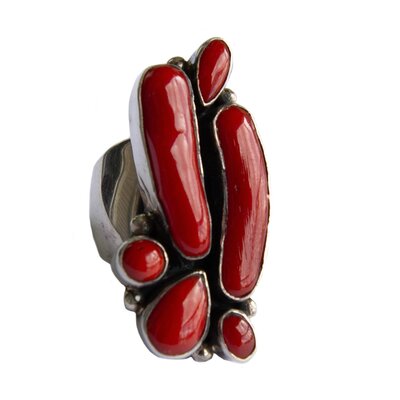
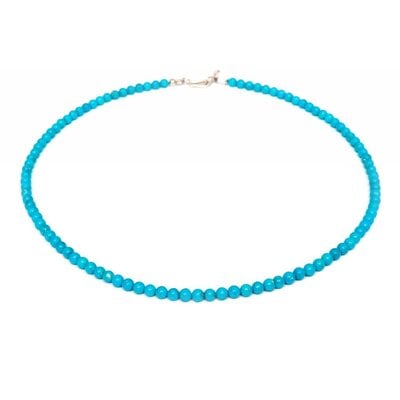
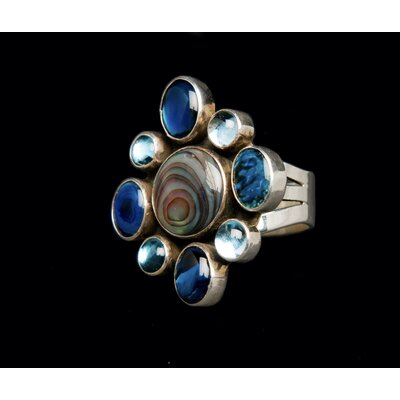
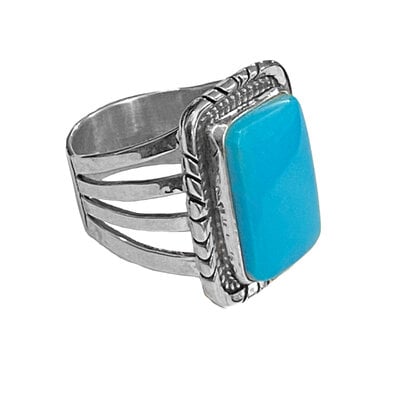
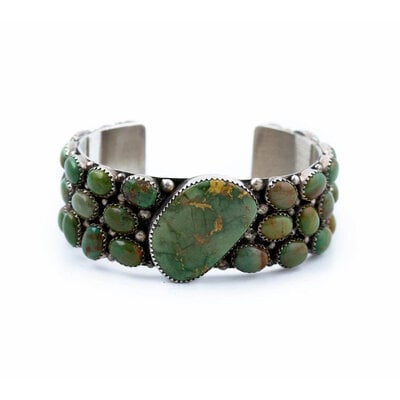
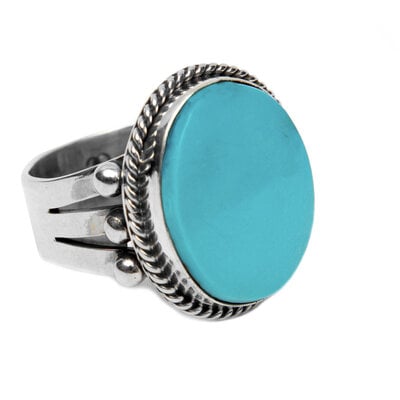
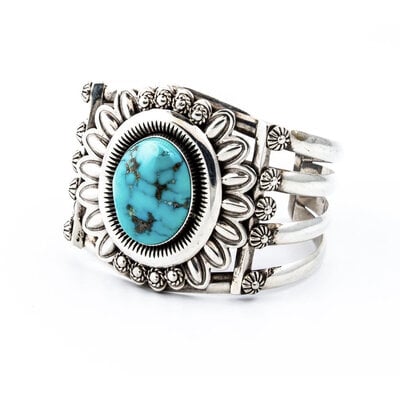
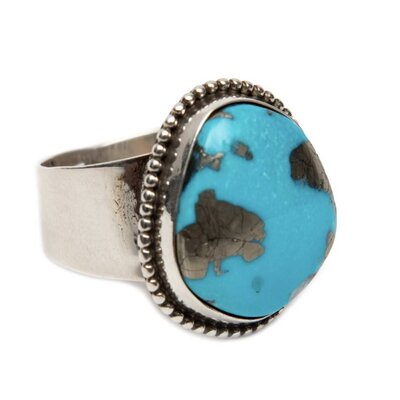
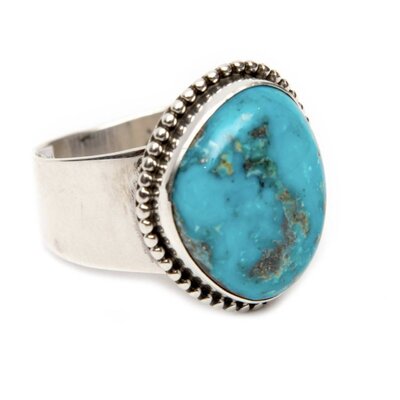
Rings and bracelets range from single-stone turquoise settings to cluster work with several stones grouped in sunburst or geometric patterns, priced from roughly $300 to $4,000 CAD depending on stone size and silverwork.
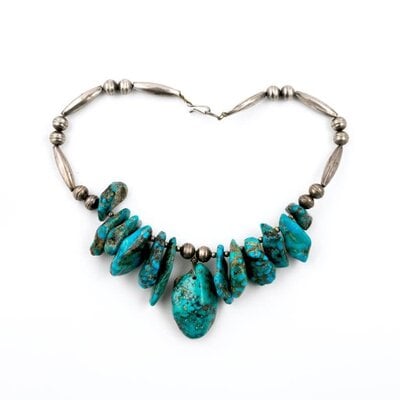
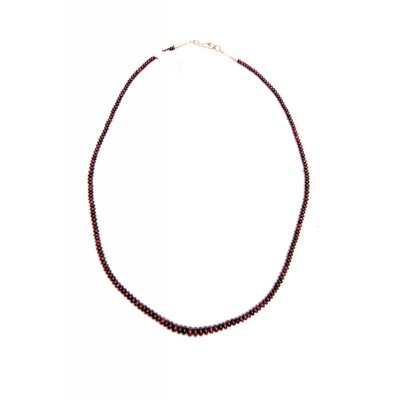
Necklaces and pendants include squash blossom styles and naja pendants, the crescent-shaped centrepiece that has anchored Navajo silverwork for well over a century, with statement pieces reaching $4,000 CAD and up.
Earrings round out the collection in both everyday and dressier turquoise and silver designs.
Every piece ships from our gallery in Surrey, BC, and if you want to understand the symbolism behind a squash blossom necklace or a naja pendant before you buy, our guide to Navajo jewellery symbols walks through what each one means. If Northwest Coast design speaks to you as well, browse our Native American Jewellery of the Northwest collection for Haida, Coast Salish, and Kwak'waka'wakw silver and gold work.
C$1,600.00 CAD
C$4,000.00 CAD
C$1,500.00 CAD
C$1,503.00 CAD
C$2,457.00 CAD
C$1,750.00 CAD
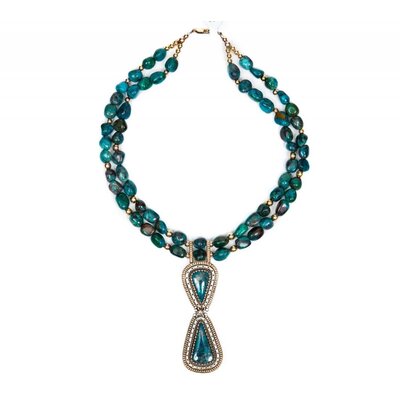
C$4,245.00 CAD
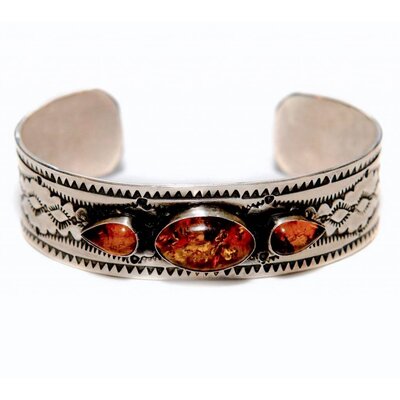
C$629.00 CAD
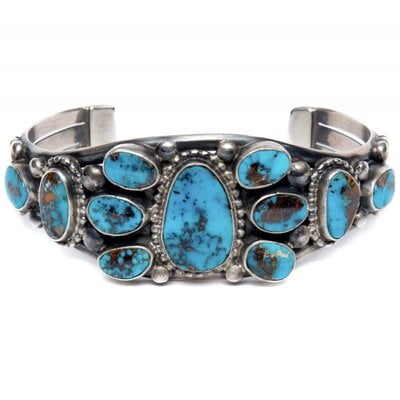
C$1,859.00 CAD
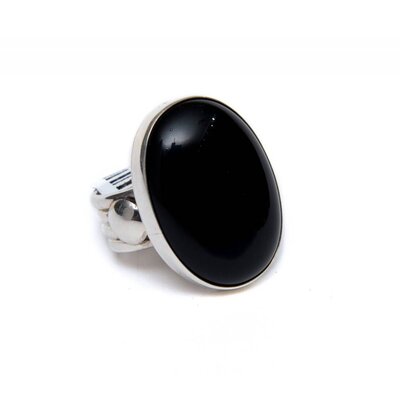
C$268.50 CAD
C$1,213.65 CAD
C$940.00 CAD
C$875.00 CAD
C$476.85 CAD
C$1,125.00 CAD
C$1,125.00 CAD
C$616.00 CAD
C$1,400.00 CAD
C$2,500.00 CAD
C$514.90 CAD
Share this on:


