The Roles of Singing and Music in Traditional West Coast Indigenous Cultures
- Posted on
- By Store Operator
- 0
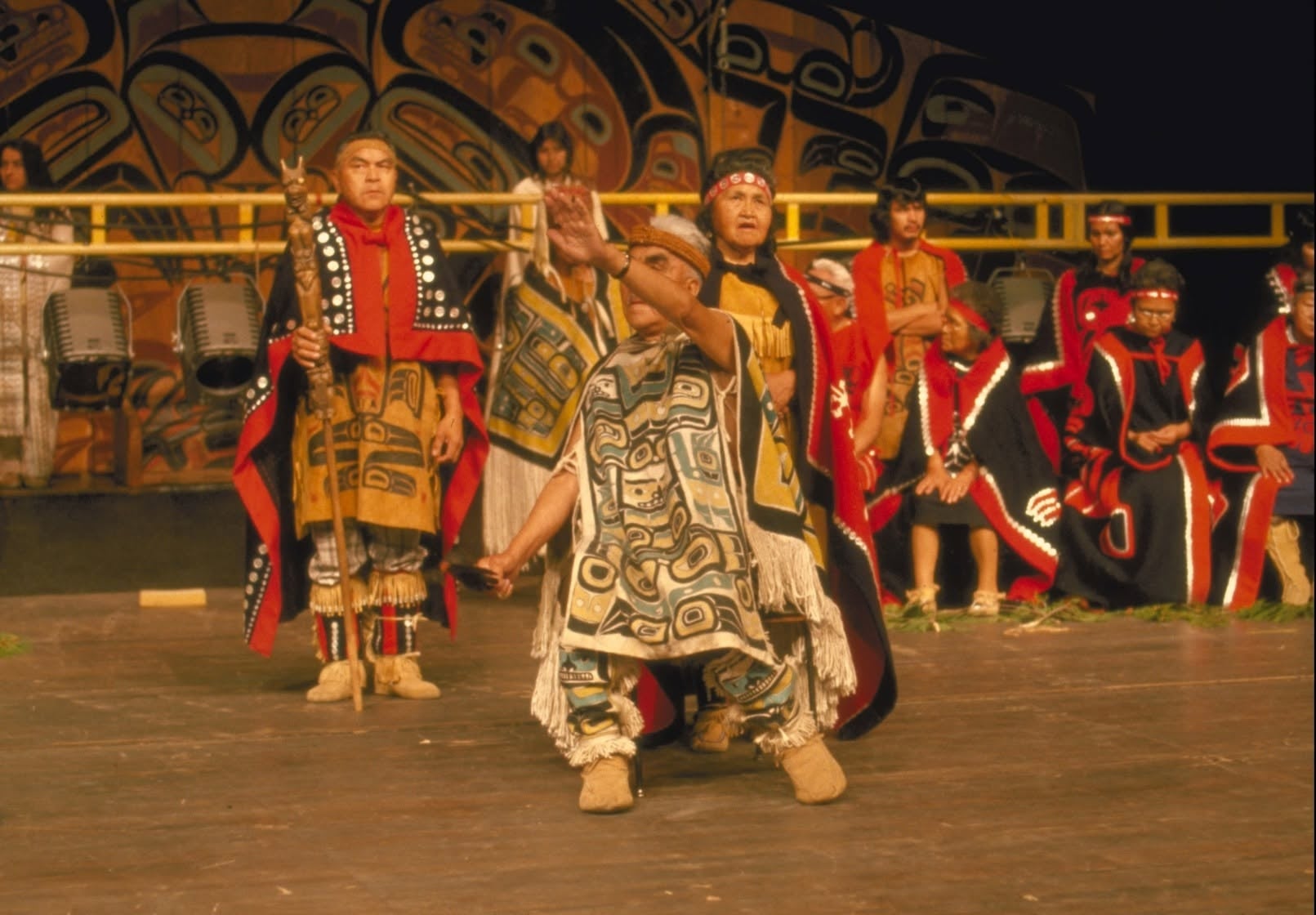
1976 photo of Ksan dancer Hazelton BC
In West Coast Indigenous cultures—and across Indigenous communities continent-wide—songs and music are foundational to daily and ceremonial life. Music accompanies everyday tasks, sacred ceremonies, legal proceedings, governance, and community gatherings.
Some songs are personal, belonging to a single individual. Many belong to a family, house, clan, or Nation; no one outside of that group can sing them without explicit permission. Other songs are open or less restricted, including social dance songs, paddling songs, love songs, lullabies, and children's play songs.
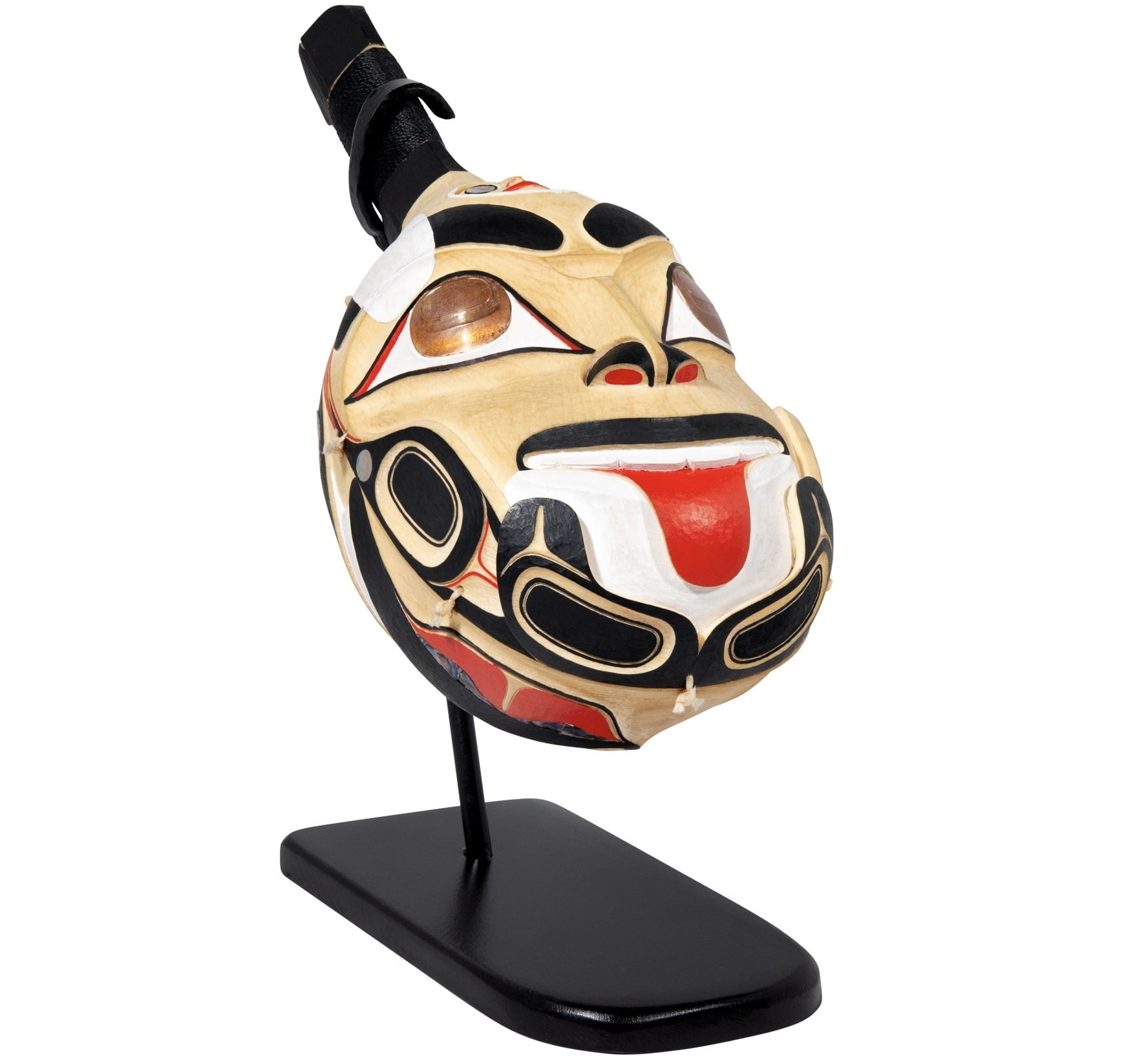
Jay simeon Killer Whale Rattle 'The First Carvers'
1. Music as Law, Ownership, and History
In Pacific Northwest Coast societies, songs, dances, hereditary names, regalia, stories, and land rights are intrinsically linked. They represent hereditary property that is legally validated through performance at the potlatch, where attendees act as official witnesses, a practice documented in detail by The Canadian Encyclopedia's entry on the potlatch. Receiving a name or a song is equivalent to being granted a legal title deed.
Through singing, drumming, dancing, and ceremonial regalia, historical events, clan lineages, and ancestral spirit experiences are brought to life:
- Composed vs. Vision Songs: A distinction is made between composed songs (created consciously by an individual) and vision songs (received directly from the spirit world through dreams, fasting, or visions).
- Spiritual Communication: Spiritual songs invite helper spirits, request aid, or give thanks. They may come from animal, plant, or landmark spirits (such as mountains, springs, or rocks).
- Sound Effects & Instruments: Many types of whistles and flutes represent supernatural beings. Bullroarers are used for atmospheric sound effects, while clappers (split wood boards) create sharp rhythmic accents.
2. Traditional Instruments
West Coast music relies on specialized instruments to drive rhythm and evoke supernatural forces.
Drums: The Heartbeat
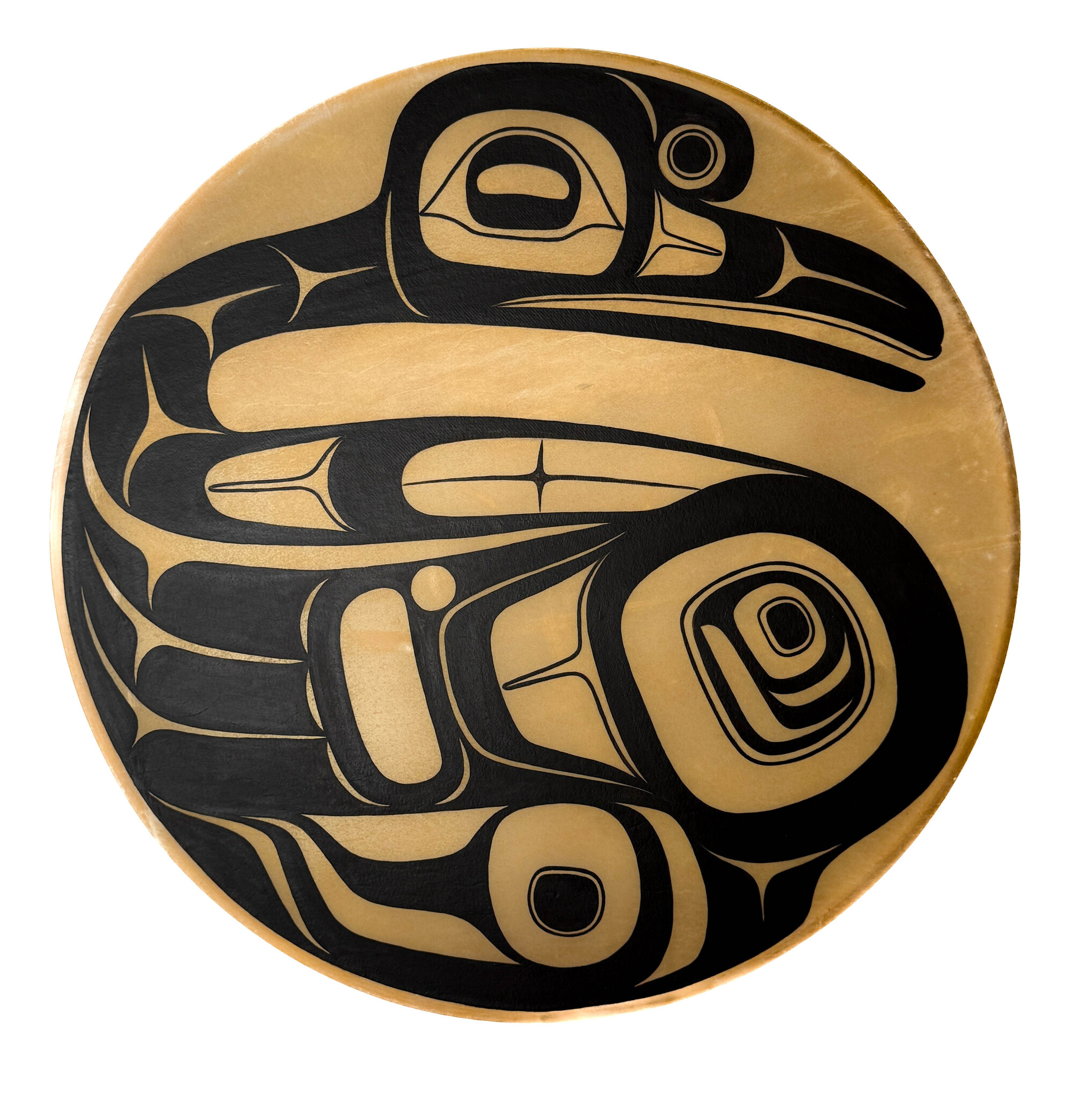
Drumming represents the heartbeat of the Earth. Hand drums—typically constructed with a circular wooden frame and rawhide head (elk, moose, deer, sea lion, or horse) on one or both sides—are used by individual singers. Larger group drums include:
- Box Drums: Carved cedar boxes that singers sit on to beat the sides, or stand beside to strike.
- Plank & Log Drums: Heavy wooden planks or hollowed logs struck with rhythm batons, creating a room-shaking soundscape inside the longhouse.
Rattles: Conduits of Power
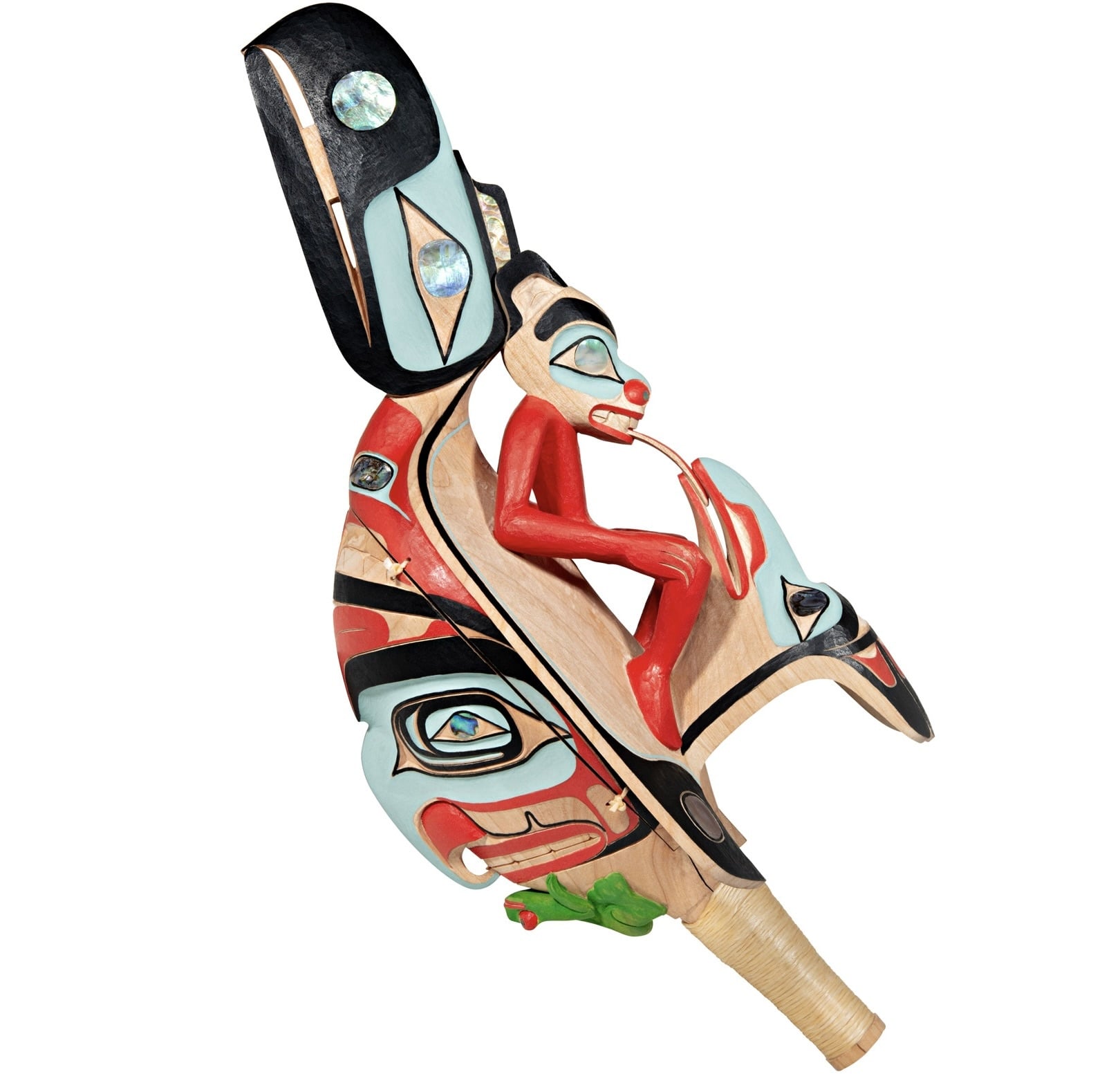
Carved from wood or horn and filled with river pebbles or seeds, rattles serve as spiritual intermediaries:
- Chief’s (Raven) Rattles: Intricately carved masterpieces carried by high-ranking men during peace dances. When used by a chief, the carved supernatural figures are believed to come to life, bridging the natural and spirit realms.
- Shaman’s Rattles: Used by spiritual healers (Indian Doctors) to call helper spirits or locate and guide lost souls back to the body. They are often globular or carved as oyster catchers, land otters, puffins, wolves, or spirit faces.
Other Percussion & Wind
Additional instruments include clamshell rattles, musical rasps, conch shells, and dried deer hooves attached to the lower legs to create rhythmic sound with movement.
3. Categories and Types of Songs
War & Gambling Songs (Slahal)
War songs were historically sung by warriors to invoke supernatural strength and build mental courage before battle. While war dances are not widely practiced today, these high-energy rhythms survive within Slahal (stick or bone games). During these guessing games, the hiding team drums, sings, and dances intensely to distract the guessers.
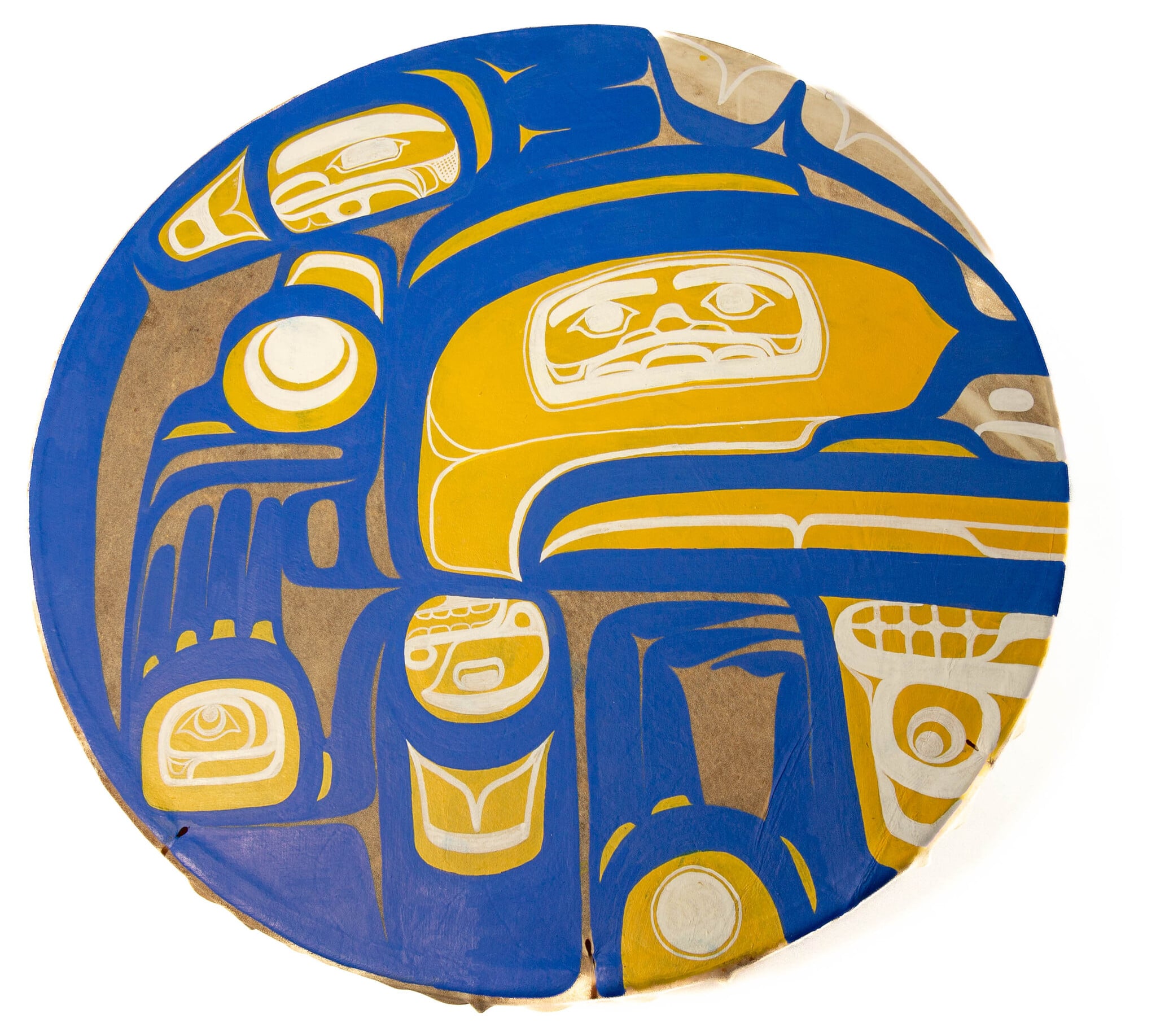
Food Harvesting & Gathering Songs
Specific songs exist for hunting, fishing, whaling, berry picking, root gathering, and harvesting cedar bark or medicine. These songs offer gratitude to the natural world and request spiritual guidance for a bountiful harvest.
Love & Courting Songs
Courting and wedding songs deal heavily with themes of separation, longing, and romance. They are frequently sung a cappella in higher vocal registers or accompanied by a wooden flute.
Doctoring & Healing Songs
Sung by shamans and their assistants during healing ceremonies, these songs invoke spirit helpers to diagnose and cure illness. Because they originate from non-human spirit guides, doctoring songs often feature sacred vocables (non-lexical syllables) rather than ordinary human words.
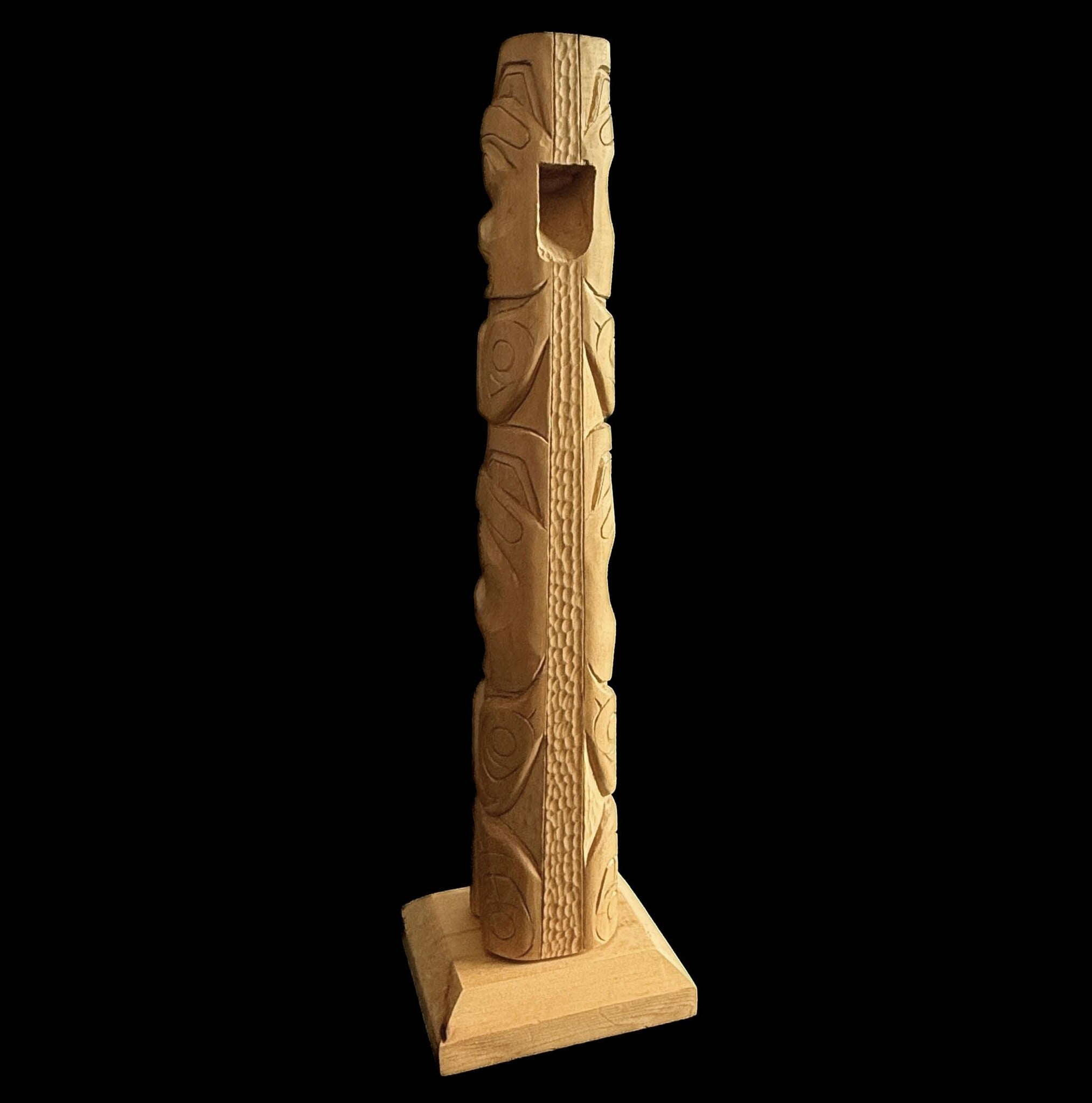
Welcome & Thank You Songs
- Welcome Songs: Express hospitality and peace. Singers and dancers hold their hands high with open palms facing forward—proving they carry no weapons. High-ranking dances feature headdresses filled with white eagle down that scatters over guests as a blessing.
- Thank You Songs: Express gratitude to the Creator, nature, and community members. Gratitude is a central duty required to maintain spiritual balance.
Mourning & Death Songs
- Death Songs: Composed or received early in life to be sung in an individual's final hours, acting as a beacon to guide the soul peacefully into the spirit world.
- Mourning Songs: Formal, solemn songs sung by the community after a passing. They feature sliding vocal pitches (glissando) that evoke weeping, helping the family process grief until a memorial potlatch officially closes the period of sorrow.
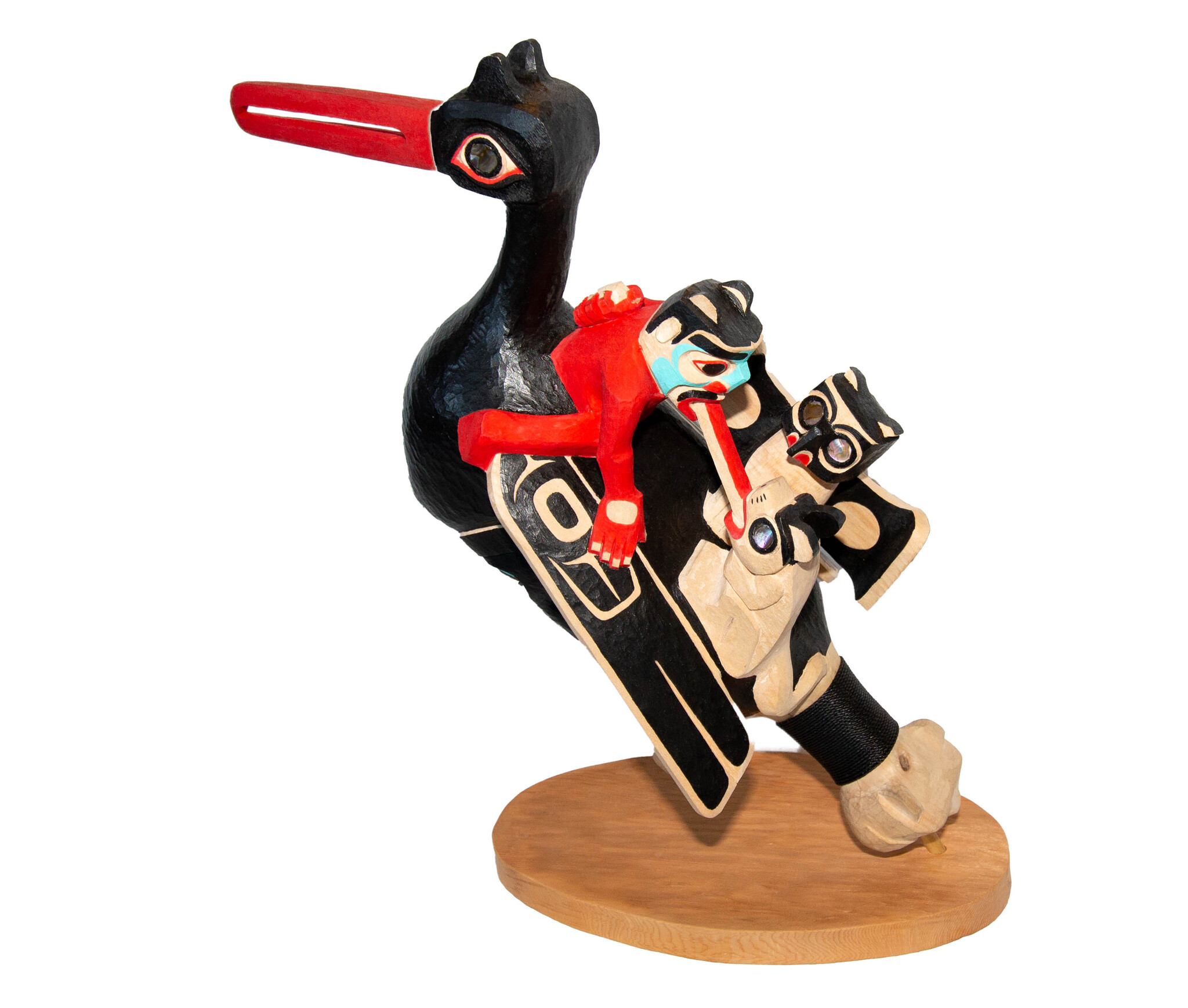
Gifting & Blanketing Songs
In Indigenous philosophy, wealth is measured by what one gives away. During potlatches, vast amounts of goods are distributed. Gifting songs sanctify these redistributions of wealth. When honoring an individual, a blanketing song is performed while wrapping them in a ceremonial blanket.
4. Secret Societies & Regional Traditions
Following the end of the Canadian government's Potlatch Ban (1885–1951), organizations like the 'Ksan Performing Arts Group (1960s) and the Rainbow Creek Dancers (founded in 1980 by Robert and Reg Davidson) spearheaded a massive cultural revitalization of singing, dancing, and carving across BC.
Kwakwaka'wakw (Tsetseqa & Secret Societies)
During the winter ceremonial season (Tsetseqa), secret societies take center stage. The most prestigious is the Hamatsa (Cannibal Dance Society), depicting an initiate possessed by a Man-Eater Spirit. Fast, chaotic songs and multi-chambered cedar whistles are used to tame the initiate. Dancers wearing giant articulated bird masks pull hidden strings to slam the beaks shut in precise time with the song's percussion.
Coast Salish
Winter dancers paint their faces red or black and dance in circles around the Bighouse to personal spirit songs. Male masked dancers perform heavy stomping dances accompanied by scallop-shell rattles, while women sing sacred Sxwayxwey songs. Paddle songs are also widely used during canoe races and Tribal Journeys.
Haida
Ceremonial and mourning songs are strictly owned by Raven or Eagle lineages. Performing a song in front of guests acts as a public reading of a legal document. Dancers utilize complex masks and regalia to bring ancestral histories to life.
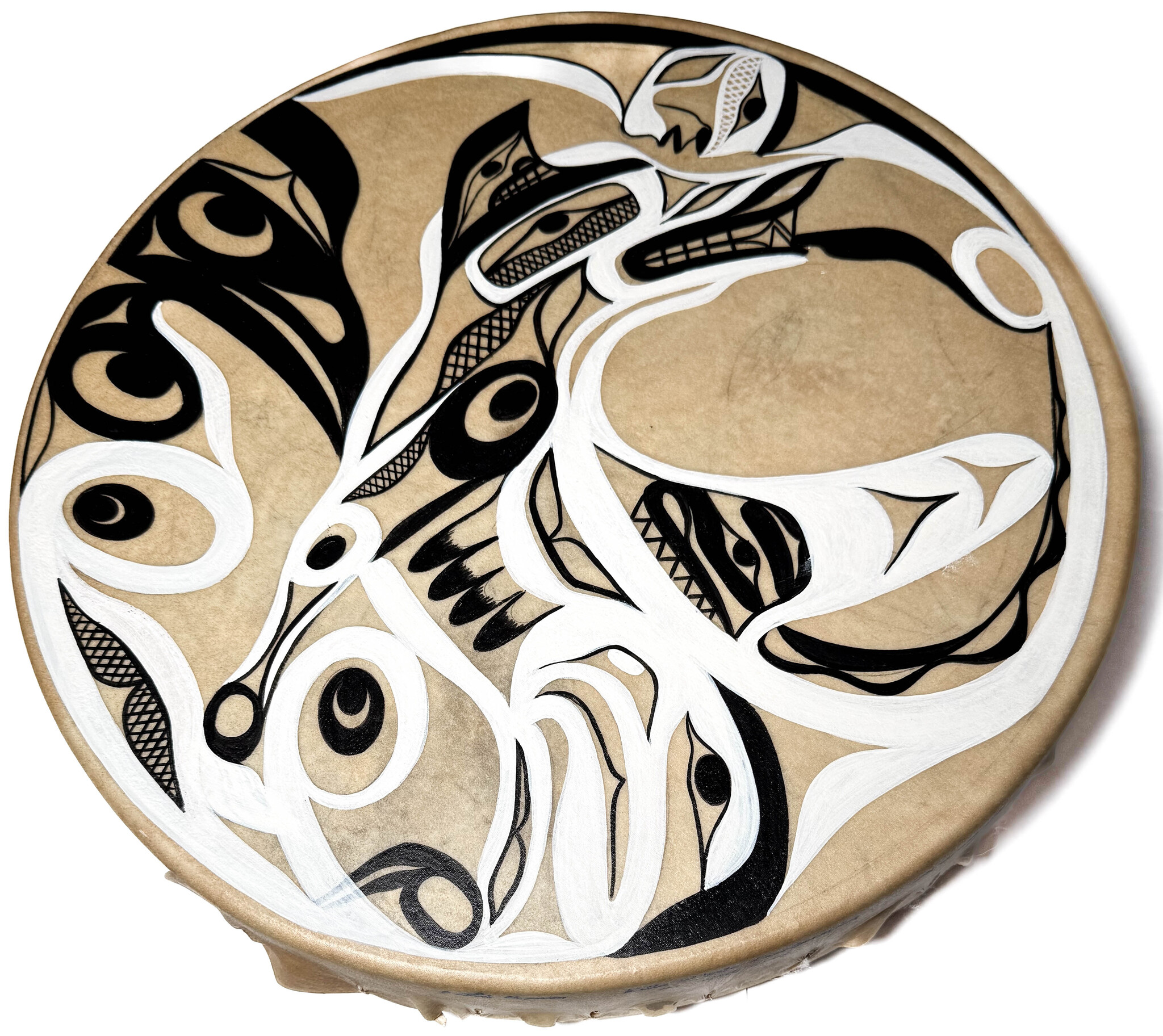
Nu-Chah-Nulth Killer Whale Transforming to a White Wolf
Nuu-chah-nulth
Song rights pass down through hereditary lines or secret society memberships. Whaling holds immense spiritual weight; a successful whaler required a personal spirit song to access the supernatural power necessary for hunting at sea.
Wet'suwet'en
Songs tell history and document lineage. Accompanied by hand drums or rattles carved in the shape of a bird, many songs are received directly from the spirit realm through dreams and visions.
Syilx (Okanagan) & Secwepemc (Shuswap)
In these Interior Salish traditions, winter dances involve individuals singing personal vision songs while the community dances in a circle. In Secwepemc culture, spiritual songs are woven into sweat house ceremonies, coming-of-age fasts, and herbal healing.
Dane-zaa (Peace River Region)
The Dane-zaa sing Dreamers' Dance Songs accompanied by hand drums. Brought by prophets in the late 1700s before European contact, these vision songs warned of impending changes and sought to restore balance. Sung entirely in vocables, they are preserved precisely as first heard and are still used today at dance gatherings and memorials.
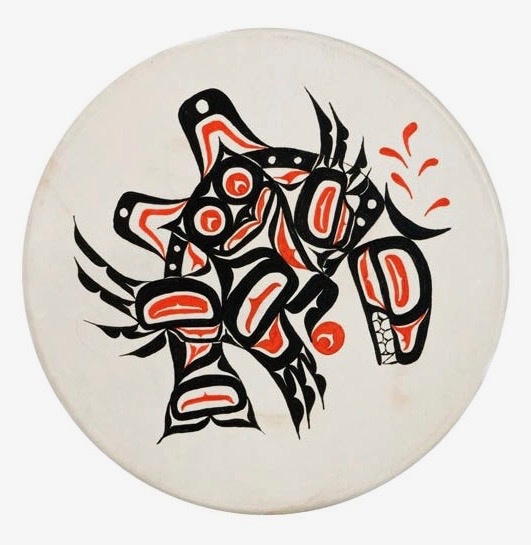
Gitxsan Double Finned Killer Whale / Owl Crest
Living traditions, carried forward
Song and instrument-making remain active practices across the Northwest Coast today, carried by the same carvers and artists whose work fills our gallery. Browse our Drums, Rattles and Flutes collection to see hand carved rattles, hide drums, and ceremonial whistles made using these same traditions, or get in touch if you have questions about a specific piece.
- Understanding "Old Pawn" Navajo Jewelry: What It Means and Why Collectors Seek It
- Navajo Jewellery Symbols Explained: Squash Blossoms, Naja Pendants, and Sandcast Rings
- Cowichan Sweater Gift Guide: Choosing the Right Design and Size for Someone Else
- Custom vs Ready-to-Buy Indigenous Masks: What Collectors Should Know
- Types of Indigenous Masks: Transformation, Portrait and Ceremonial
- The Roles of Singing and Music in Traditional West Coast Indigenous Cultures
- How to Choose an Authentic Totem Pole Carving: A Buyer's Guide
- Totem Poles Explained: Meanings, Types and Cultural Significance
- How to Authenticate Northwest Coast Wood Carvings: Tool Marks, Materials, and Artist Signatures
- The Role of Formline Design in Northwest Coast Carving: Understanding the Visual Language
Share this on:


Comments
Be the first to comment...